Does Car Insurance Cover Hearing Aids Broken in a Crash
Your car insurance usually won't pay for broken hearing aids unless you have the right coverage in place or someone else caused the crash.
Your auto policy treats hearing aids as personal property, not vehicle damage
Liability and collision coverage pay to fix your car. They don't pay to replace what you were wearing or carrying when the crash happened. For that, you need medical payments coverage, personal injury protection, or a claim against the other driver's liability coverage if they caused the crash.
If you have medical payments coverage or PIP on your own policy, hearing aids damaged in the crash may be covered as part of your injury claim, since they're tied to your hearing loss. Check your policy for how it defines covered medical expenses and whether durable medical equipment is included.
Who caused the crash changes everything
If the other driver was at fault, their liability coverage can pay for your hearing aids along with your other losses. You'd file a claim against their policy, not yours, and you'd need to document the cost of replacement or repair.
If you caused the crash, or the crash was a single-car accident, your own policy's medical payments or PIP coverage is what applies, if you carry it. Without that coverage, you'd be paying out of pocket unless your health insurance steps in.
Either way, keep the damaged hearing aids, any repair estimate, and the original purchase receipt if you still have it. An adjuster will want proof of what they cost and that they were damaged in the crash, not before it.
Health insurance and Medicare may cover more than your auto policy does
Some health plans, including certain Medicare Advantage plans, include a hearing aid benefit that covers repair or replacement. If you have that kind of coverage, it may be faster and simpler to file there than to wait on an auto claim, especially if fault is disputed.
Medicare itself generally doesn't cover hearing aids, so if you're on original Medicare, your auto policy's medical payments coverage or the other driver's liability coverage are likely your only paths to reimbursement.
It's worth calling your health plan before you file with the auto insurer, just to find out what they'd need from you and whether a crash-related claim is handled differently from a routine replacement.
Questions people ask about this
What documentation do I need to file a claim for broken hearing aids?
You'll want the original purchase receipt or an audiologist's estimate of replacement cost, along with something showing the hearing aids were damaged in the crash, like photos or a note in the police report. The insurer handling the claim will tell you exactly what they need, since requirements vary.
Does renters or homeowners insurance cover hearing aids damaged in a car accident?
Usually not, because those policies typically cover property at your home or during certain off-premises situations, and a car crash claim is normally handled through auto or health coverage instead. Check your policy's personal property section or ask your agent if you're unsure.
Can I claim both medical payments coverage and the other driver's insurance?
You generally can't collect twice for the same loss, but you may be able to file with your own insurer first for faster payment and let them seek reimbursement from the at-fault driver's insurer. Ask your insurer how they handle coordination between the two claims.
Will my auto insurance rate go up if I file a claim for hearing aids damaged in a crash?
That depends on whether you were at fault and how your insurer treats medical payments claims, since some insurers only raise rates for at-fault collision or liability claims. Ask your agent directly how this kind of claim is rated before you decide whether to file.
Are hearing aids covered if they're damaged in a crash that wasn't my car, like a rideshare or a friend's car?
Coverage would typically come from the at-fault driver's liability insurance or the vehicle owner's policy, not from your own auto policy, since you weren't driving your insured car. Your own medical payments or health coverage may still apply depending on how your policy is written.
If a gap like this one caught you off guard, it may be worth seeing what other coverage looks like.

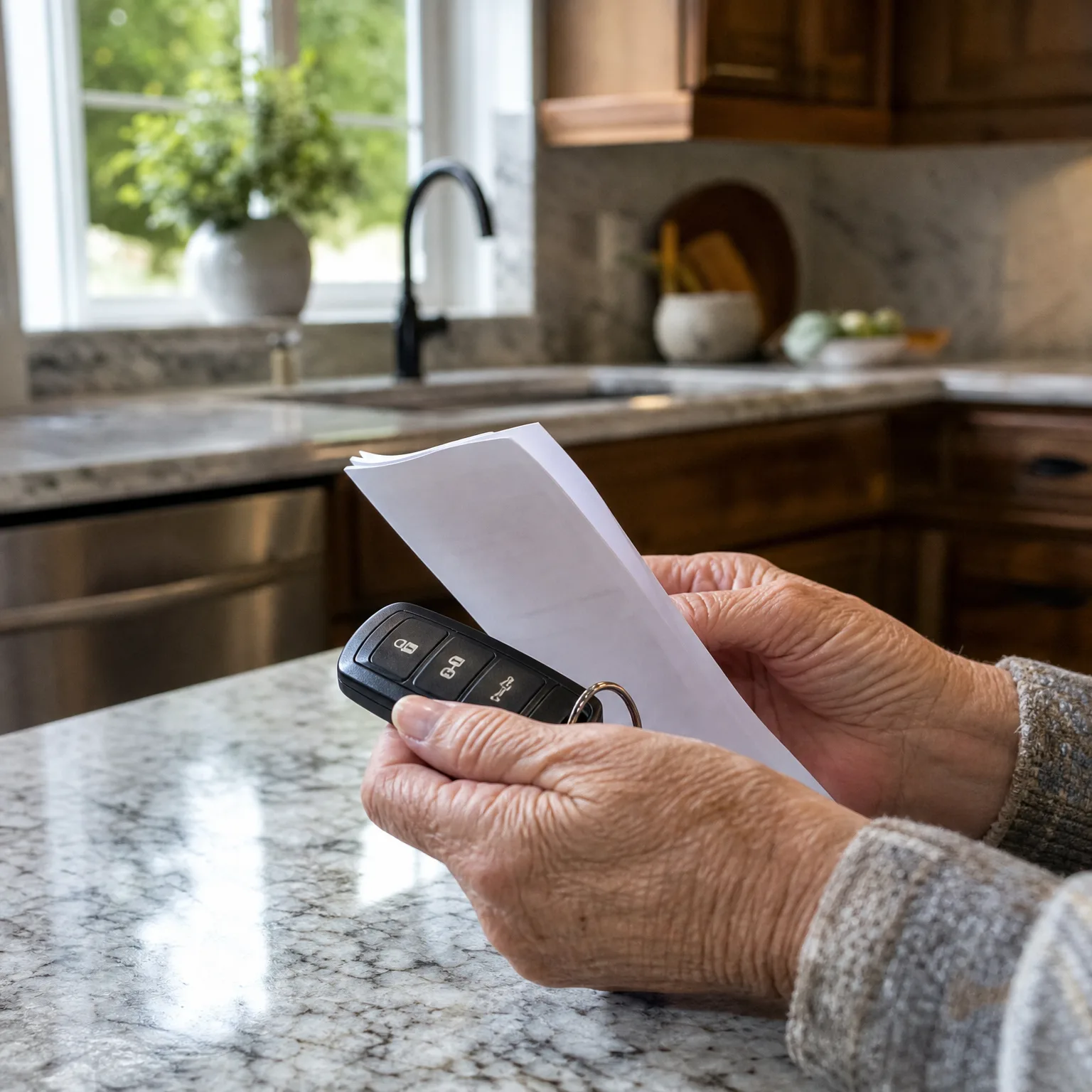
Pull out your auto policy's declarations page and check whether you have medical payments or personal injury protection coverage, and if so, what limit applies. Call your insurer or agent and ask directly whether damaged hearing aids are covered under that provision and what proof they require. If another driver caused the crash, get their insurance information from the police report and file a property damage claim with their insurer as well. Separately, call your health insurance or Medicare Advantage plan to ask whether they cover hearing aid repair or replacement, since that claim might move faster. Keep the damaged hearing aids and any paperwork until every possible claim is resolved.