Does Car Insurance Cover Glasses Broken in a Crash
Your glasses are covered, but under a different part of your policy than you might expect.
Yes, but not under liability coverage
If your glasses broke in a crash, the coverage that pays is collision coverage, or medical payments coverage if you count them as part of an injury claim. Liability coverage only pays for damage you cause to someone else, so it won't touch your own broken glasses even if the crash was your fault.
If the other driver caused the crash, their liability coverage should pay for your glasses along with the rest of your damage. If you caused it, or the other driver has no insurance, it comes down to whether you carry collision coverage or medical payments coverage on your own policy, and whether your deductible makes a claim worth filing.
Whether you carry collision or medical payments coverage
Collision coverage pays to repair or replace your car regardless of fault, and some insurers will include personal items damaged in the same crash, like glasses, under that same claim. Medical payments coverage, where you have it, can cover glasses if they're treated as a medical device damaged during an injury.
Neither of these is required in most states the way liability coverage is. If you only carry the minimum your state requires, you may not have either one, and that changes the answer from yes to no.
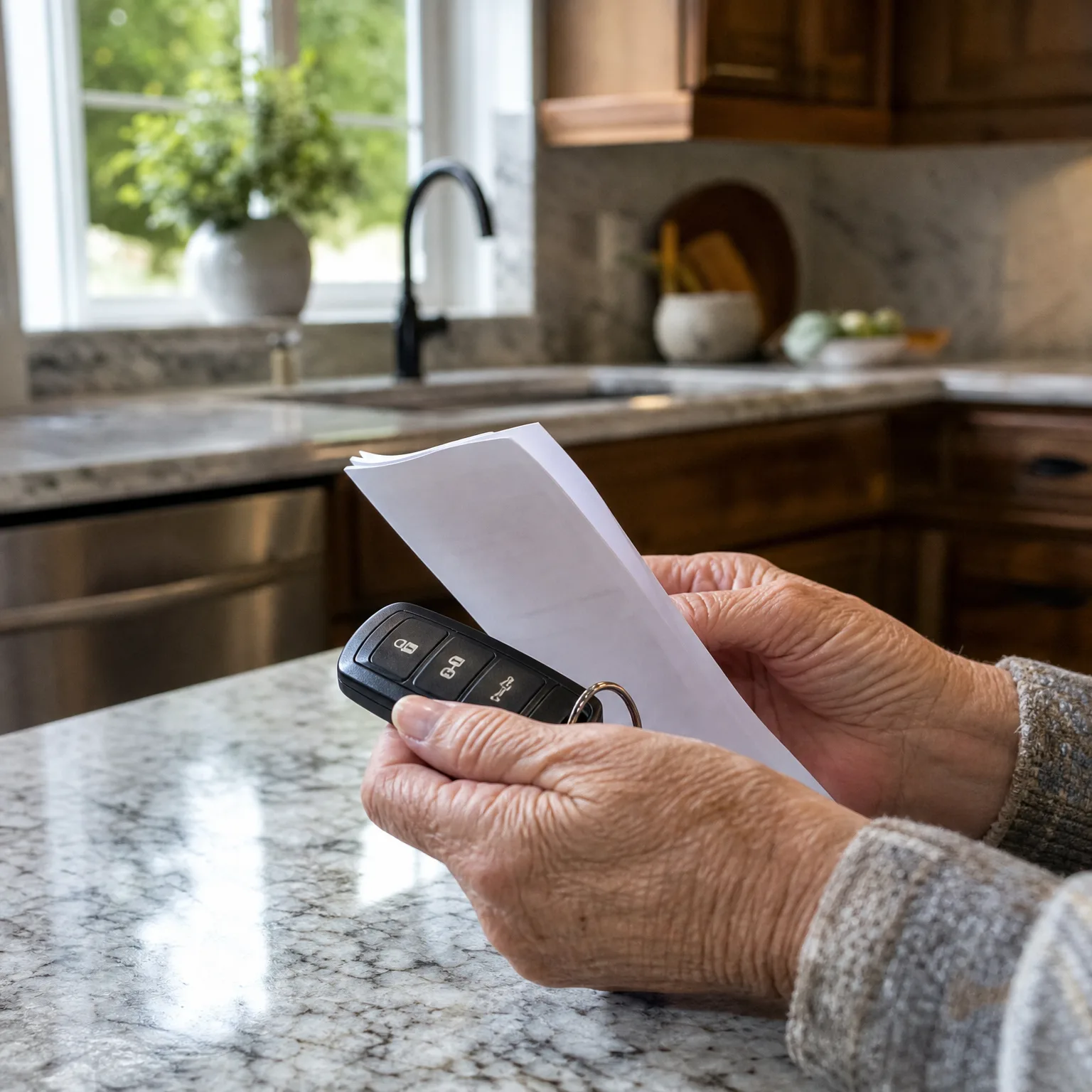
Check your policy declarations page for collision coverage and for medical payments or personal injury protection. If you're not sure which you have, your insurer can tell you in a few minutes.
Whether the deductible makes filing worth it
Collision coverage comes with a deductible, and that deductible applies to the whole claim, not just the car damage. If your glasses are the only real loss and the cost of replacing them is close to or below your deductible, filing a claim may not get you anything beyond what you'd pay yourself.
This is different from a claim where your car also needs repair. In that case, the glasses can often be added to the same claim at no extra cost, since you're already paying the deductible for the car.
Ask your insurer whether they bundle personal property like glasses into a collision claim, or whether you'd need a separate claim entirely. Some do, some don't, and it's worth knowing before you decide to file.
Questions people ask about this
Does homeowners or renters insurance cover glasses broken in a car accident?
Some homeowners and renters policies cover personal property anywhere in the world, including in your car, which can include glasses damaged in a crash. Check your policy's personal property section and ask whether it names an exclusion for vehicle accidents. If it does cover it, compare that deductible to your auto deductible before deciding where to file.
What if the other driver's insurance denies my glasses claim?
Ask the adjuster in writing why the claim was denied, since insurers are required to give a reason. If you have a receipt, prescription, or even a photo showing the glasses were in the car, that helps support the claim. If the denial still doesn't make sense, your state's insurance department can tell you how to file a complaint.
Can I claim broken glasses without filing a full accident report?
That depends on your state and your insurer. Many require some form of accident report or police report before paying any claim related to the crash, even a small one. Ask your insurer directly what documentation they need before you decide to skip the report.
Does it matter if my glasses were prescription versus sunglasses?
Insurers generally don't distinguish between prescription glasses and sunglasses when it comes to collision or medical payments coverage, since both are personal property damaged in the crash. What matters more is proving the value, so a receipt or an old prescription with pricing helps either way. Ask your insurer what proof they need for the replacement cost.
Will filing a claim for broken glasses raise my premium?
A claim tied to an accident that wasn't your fault typically doesn't affect your rate the way an at-fault claim can, but this varies by insurer and state. If the glasses are part of a larger claim you were already filing, adding them usually doesn't change anything. Ask your insurer directly how this specific claim would be rated before you file.
If you're dealing with a claim like this, it's worth seeing what other insurers would actually cover before your next renewal.
Pull out your policy declarations page and check whether you carry collision coverage or medical payments coverage, since that's what decides whether this claim is even possible. If the other driver caused the crash, get their insurance information and file through their liability coverage instead. Keep a receipt or prescription record for your glasses so you can show their value. Call your insurer and ask directly whether they bundle personal property into a collision claim or require a separate one. If your deductible is close to the cost of new glasses, do the math before you file anything.