Does Car Insurance Cover Dental Injuries
Dental injuries from a car accident are covered under medical payments, personal injury protection, or the other driver's liability coverage, but not under a standard policy with none of those.
It depends on which coverage is on your policy
Car insurance doesn't automatically cover dental injuries. Liability coverage, which is the one every driver carries, only pays for damage you cause to someone else. It does nothing for your own injuries, dental or otherwise.
What covers your broken tooth or jaw injury is medical payments coverage or personal injury protection, if you added either one to your policy. Some states require PIP. Others make it optional, and plenty of drivers skip it. If you were hurt by another driver, their liability coverage can also pay for your dental treatment, but only after fault is established.
Whether you have medical payments or PIP coverage
Medical payments coverage, often called MedPay, pays your medical and dental bills after a crash no matter who caused it. It doesn't ask about fault. If a tooth gets knocked out or a jaw gets fractured when you hit the dashboard or steering wheel, this is the coverage that responds.
Personal injury protection works similarly in states that require or offer it. It's broader than MedPay in some states, covering lost wages too, but the dental piece works the same way.
Check your policy declarations page for either of these. If you don't see them listed, call your insurer and ask directly whether you have MedPay or PIP and what the limit is. A low limit can be used up quickly by emergency dental work, X-rays, and a crown or implant.
If neither coverage is on your policy, the only way a crash-related dental bill gets paid is through the other driver's liability coverage, and only if they were at fault.
Who caused the accident
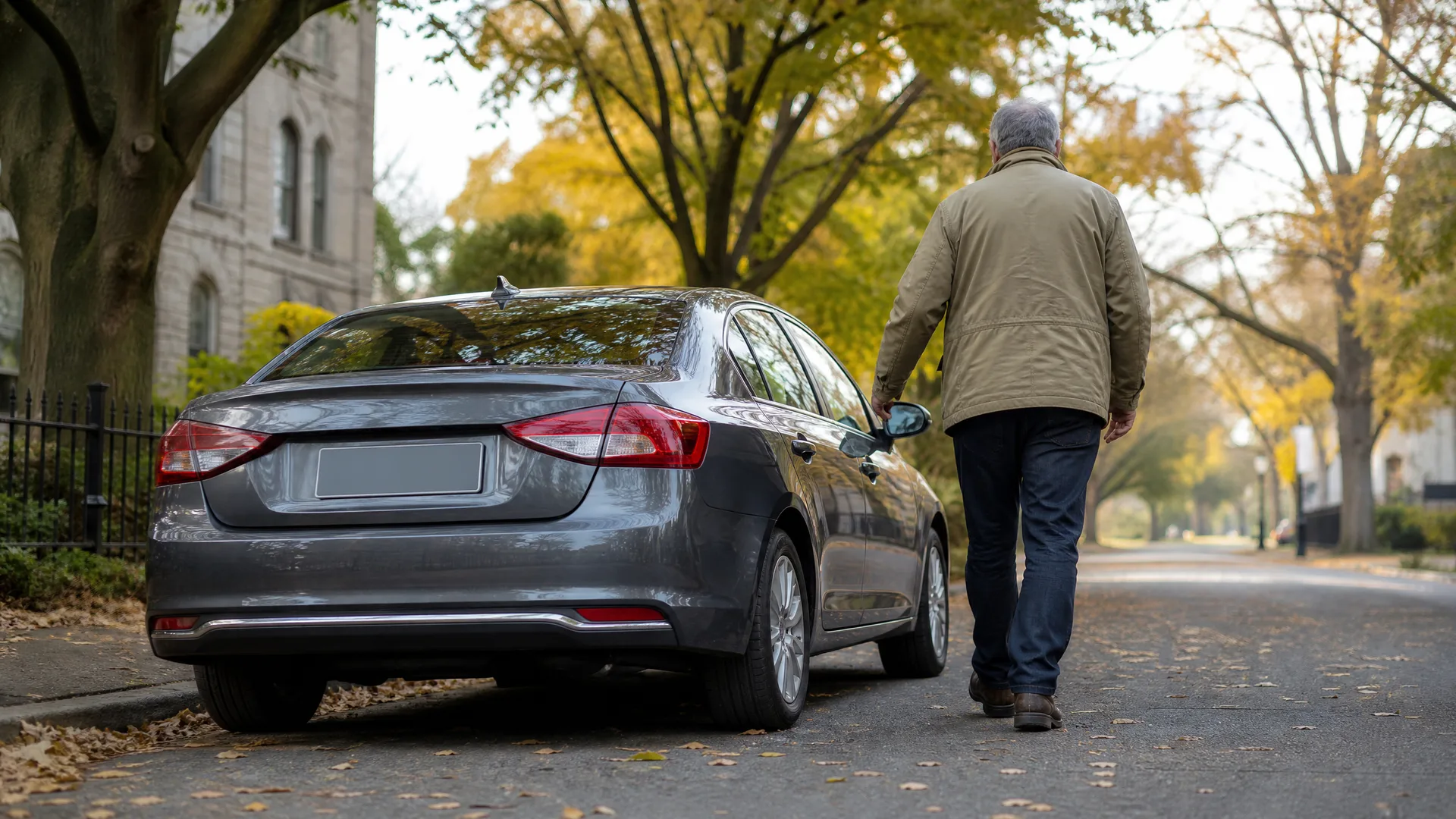
If another driver caused the crash, their liability coverage should pay for your dental injuries as part of your bodily injury claim. This usually takes longer than a MedPay or PIP claim because it depends on their insurer accepting fault and agreeing to a settlement amount.
If you caused the crash, their insurer owes you nothing. Your own MedPay or PIP is what pays, if you have it. Without it, you're paying out of pocket or through your health insurance.
Health insurance is worth checking either way. Some health plans pay for accident-related dental work that a car policy won't touch, particularly if your auto coverage runs out or you never had MedPay or PIP to begin with.
Keep in mind a chipped or knocked-out tooth from a crash is treated as a bodily injury claim, not a property damage claim. That distinction matters for which part of a policy, yours or the other driver's, is supposed to pay it.
Questions people ask about this
Does dental insurance cover injuries from a car accident?
Many dental plans do cover accident-related treatment, but check your plan's exclusions first. Some dental policies exclude injuries that are covered, or should be covered, by auto insurance, which can create a gap if neither one pays fully.
What is the difference between MedPay and PIP for dental claims?
MedPay pays medical and dental bills regardless of fault, while PIP does the same and in many states also covers lost income. Which one you have, or whether you have either, depends on your state and what you chose when you bought the policy.
Will my insurance rate go up after a dental injury claim?
It depends on who was at fault and which coverage paid the claim. A claim paid through the other driver's liability coverage typically doesn't affect your rate, but a claim through your own MedPay or PIP is worth asking your insurer about directly.
Can I claim for a chipped tooth years after a car accident?
This depends on your state's deadline for filing an injury claim, which varies by state. Contact your insurer or the other driver's insurer to ask how much time you have left, since waiting too long can mean losing the right to claim at all.
Does car insurance cover a root canal or dental implant after a crash?
If you have MedPay or PIP, or if the other driver is found at fault, the claim should cover reasonable treatment for the injury, which can include a root canal or implant. Ask your insurer whether there's a cap on dental-specific costs within your coverage limit.
If a crash could mean a dental bill you're not covered for, it's worth seeing what other policies offer before you renew.
Pull out your policy's declarations page this week and look for medical payments coverage or personal injury protection. If you don't see either one, call your insurer and ask what it would cost to add it, and what the limit would be. If you've already been in a crash, start the claim with whichever insurer is responsible, yours if you have MedPay or PIP, the other driver's if they were at fault, and ask what documentation they need from your dentist. Keep every receipt and X-ray from the treatment, since claims move faster with records in hand than with the story alone.