How to Decide When to Stop Driving
There's no age that decides this. It comes down to whether your eyes, reflexes, and judgment still match what the road asks of you.
It's a pattern, not a date
No law and no insurer sets the age when someone should stop driving. It comes down to whether a person can still see, react, and judge distance well enough to drive safely, and that varies enormously from one driver to the next.
The honest way to decide is to watch for a pattern rather than wait for one bad moment. A single close call might mean nothing. New dents, missed turns, getting lost on familiar roads, or family members who no longer feel safe as passengers are different. Those add up to an answer.
What your vision and reaction time are actually doing
Driving depends on things that change slowly enough that you don't always notice them in yourself. Peripheral vision narrows. It takes longer to adjust to headlight glare at night. The time between seeing a hazard and pressing the brake stretches out, even by a fraction of a second.
A vision test gives you a number instead of a guess. If your state requires one at renewal, that result is useful information even if you pass easily. If it doesn't, an eye doctor can still tell you whether your vision has changed enough to matter on the road.
Reaction time is harder to measure on your own. Some occupational therapists and driving rehabilitation specialists offer an actual assessment behind the wheel, not just a conversation. That's worth asking a doctor about if you're unsure whether to trust your own sense of how you're doing.
None of this means a single slow reflex ends your driving. It means you have real information instead of a feeling.
What the people around you are noticing
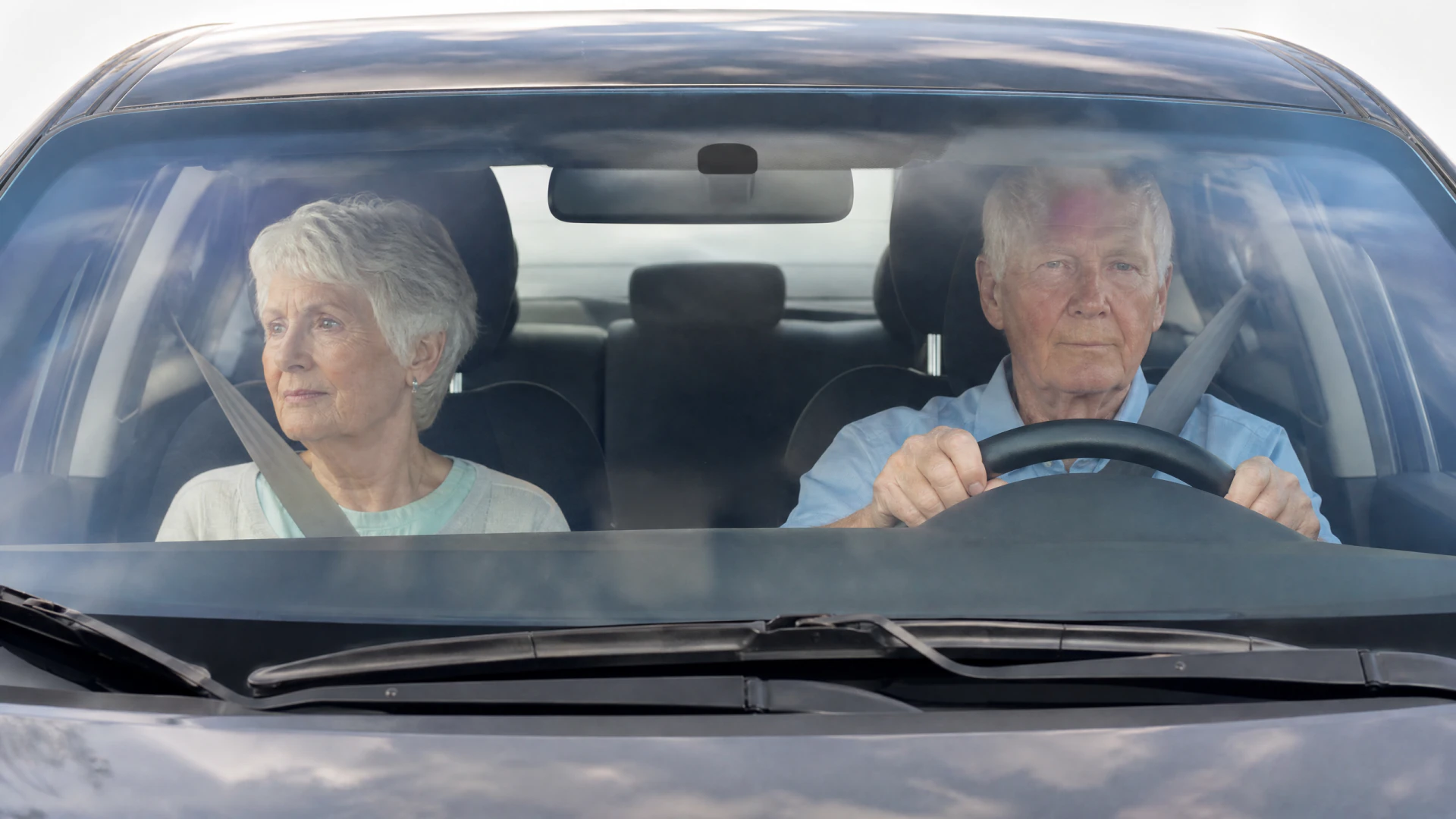
Family members usually see the pattern before the driver does, because they're in the passenger seat and the driver is focused on the road. If a spouse or adult child has started tensing up, grabbing the door handle, or offering to drive instead, that's data, not nagging.
The mistake people make is treating one conversation as an attack rather than information. Ask directly what they've noticed. Specific incidents matter more than a general feeling: a missed stop sign, drifting out of a lane, trouble merging.
A doctor can also be a useful outside voice here. Some conditions and medications affect driving ability in ways a patient doesn't always connect to their own close calls. If a doctor raises a concern, it's worth taking seriously rather than assuming it's routine caution.
If the people who ride with you most are consistently uneasy, that matters more than how you feel behind the wheel yourself.
Questions people ask about this
What are the warning signs that someone should stop driving?
The clearest signs are new dents or scrapes on the car, difficulty staying in a lane, confusion at intersections, and getting lost on routes that used to be familiar. Any one of these on its own might be a bad day. Several together, especially if they're new, are worth acting on.
Can a doctor make someone stop driving?
In most states a doctor can report a concern to the state's licensing agency, which then decides whether to require testing or restrict the license. The doctor doesn't revoke the license directly. Check with your state's DMV or equivalent agency to understand how that reporting process works where you live.
Should an older driver get a driving evaluation?
A formal driving evaluation, often done by an occupational therapist, gives an objective answer instead of a family argument. It tests reaction time, vision, and actual performance behind the wheel. Ask a doctor for a referral if you or a family member want a clear answer rather than a guess.
What can replace driving if someone has to give it up?
Options depend heavily on where someone lives. In some areas it's rideshare services, public transit, or senior transportation programs through a local agency on aging. In others, family and neighbors end up filling the gap. It's worth researching what's actually available locally before the decision becomes urgent.
Does giving up driving affect car insurance?
If you stop driving entirely, you may be able to drop liability coverage on a car you no longer use, though you'll want to keep comprehensive coverage if it's still stored and could be damaged or stolen. Ask your insurer directly what changes when a car sits unused, since the answer varies by company.
If you're still driving and want to see what your options look like, compare quotes before you decide anything.
Start by scheduling an eye exam if you haven't had one recently, and ask specifically about peripheral vision and night glare, not just reading a chart. Talk with the people who ride with you most and ask what they've actually noticed, not how they feel in general. If anyone has a specific concern, ask your doctor about a formal driving evaluation rather than relying on impressions alone. Look into what your state requires for license renewal at your age, since some states add vision tests or shorten renewal periods. If you're weighing whether to reduce coverage or change your policy, have your renewal notice in hand when you call your insurer so you're asking about your actual policy, not a general one.