What to Do With Your Car When You Stop Driving
Once you stop driving, you still have choices to make about the car, the title, and the insurance on it, and making them in the right order saves money and trouble.
Cancel the insurance only after the car is sold, stored properly, or signed over
If you're done driving for good, the car itself still needs a decision before the insurance does. You can sell it, give it to a family member, or keep it parked and unused. Each of those leads to a different answer about the insurance, so the insurance is usually the last thing you settle, not the first.
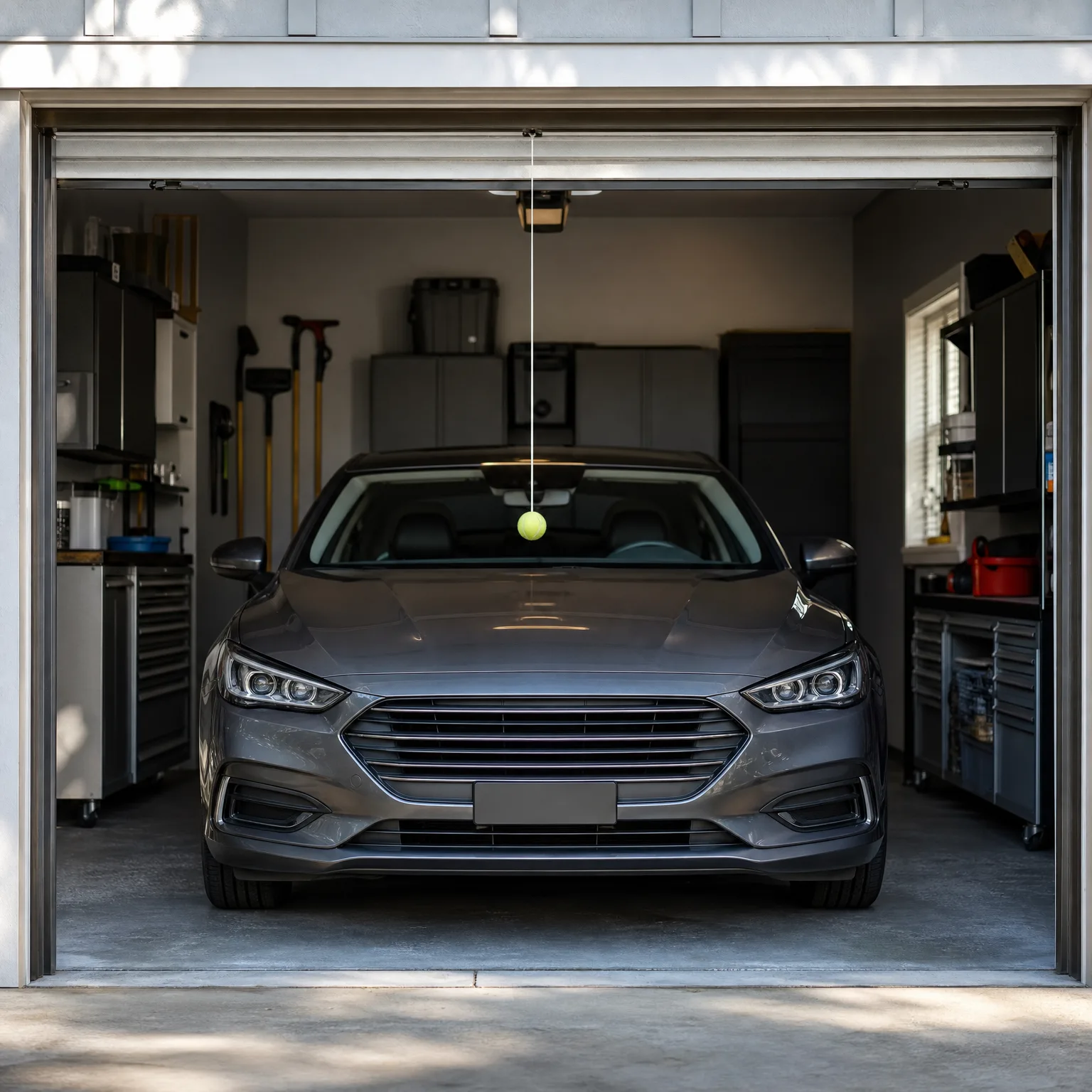
If the car will sit in a garage or driveway and nobody will drive it, most insurers let you drop collision and liability coverage but keep comprehensive, which protects against fire, theft, and weather damage while it's parked. If the car is sold or given away, you cancel the policy once the new owner's coverage is in place, not before. Calling your insurer and explaining the situation is the simplest way to find out which option applies to your policy.

What you plan to do with the car changes everything else
Selling the car is the cleanest option if nobody in the household will drive it. You'll need the title, and most states also want the odometer reading and a bill of sale. Check with your state's motor vehicle agency for the exact paperwork, since it varies.
Giving the car to a family member works differently. The title has to be transferred into their name, and they'll need their own insurance policy before they drive it, even if it's the same car with the same plates. Your policy doesn't carry over to them automatically.
Keeping the car without driving it is the option people choose most often, usually because selling feels final or because a spouse or adult child might still need it occasionally. If that's the plan, ask your insurer specifically about storage coverage or a reduced policy, since just letting the policy lapse can leave the car uninsured against theft or damage and can also affect your insurance history if you ever want coverage again.
If the car won't be driven or sold anytime soon, some states allow you to surrender the plates and suspend the registration, which can lower costs further. Your state's DMV or motor vehicle agency can tell you whether that applies and what it requires.
The license matters as much as the car
Stopping driving and giving up your license are two separate decisions, and mixing them up causes most of the confusion here. You can stop driving and keep a valid license, which some people do simply so they have a usable form of ID.
If you do plan to let your license expire or surrender it, check with your state's DMV first. Some states issue a non-driver ID automatically or make it simple to convert a license to one; others require a separate application. Doing this before the license lapses avoids a gap where you have no valid ID at all.
If the car is still registered in your name and insured, but you no longer have a valid license, tell your insurer. Some policies and some states treat an uninsured or unlicensed primary driver differently, particularly if someone else in the household drives the car occasionally. Your insurer can tell you how your specific policy handles that.
Questions people ask about this
Do I need insurance on a car I never drive?
In most states you aren't legally required to insure a car that isn't registered or driven, but if it's still registered, many states require at least liability coverage regardless of use. Check with your state's DMV, since the rule isn't the same everywhere. Even where it isn't required, comprehensive coverage still protects against theft, fire, and weather damage while the car sits unused.
What happens to my no-claims discount if I cancel my policy?
This depends entirely on your insurer, so ask them directly before you cancel. Some insurers let you keep a record of your claims history for a period of time even without an active policy, which can help if you insure another car later. Others don't, and starting a new policy after a long gap can mean losing that pricing history.
Can I keep my car registered without insuring it?
In most states, no, registration and insurance are linked, and letting one lapse while keeping the other can trigger a fine or a registration suspension. If you want to keep the car registered without driving it, ask your DMV whether a reduced-use or storage registration exists, since some states offer one specifically for this situation.
Should I sell my car or give it to a family member?
This depends on whether you want to keep using it occasionally and whether the family member can afford their own insurance on it. Selling closes out the responsibility completely, while gifting the car means the title and insurance both need to move into their name before they drive it. Either way, you'll want the sale or transfer documented with your state's motor vehicle agency.
What do I do with my license if I'm not driving anymore?
You can keep it valid as ID, let it expire, or convert it to a state ID card, and which makes sense depends on what you'll use for identification going forward. If you choose to convert it, ask your DMV about the process, since some states do this automatically near expiration and others require you to apply.
If you're keeping a car insured while you sort out the rest, it's worth seeing what a policy built around limited or no driving would cost.
Decide first whether the car is being sold, given away, or kept in storage, since that determines everything else. If you're selling it, gather the title, the odometer reading, and your state's required bill of sale before you list it. If you're keeping it unused, call your insurer this week and ask specifically about storage coverage or a reduced policy rather than letting it lapse. If you're also considering giving up your license, contact your state's DMV to ask about converting it to a state ID so you aren't left without one. Whatever you decide, don't cancel insurance or let registration lapse until the next step, whether that's a sale, a transfer, or storage coverage, is actually in place.