What Does Driving Anxiety Feel Like
It feels different for everyone, but most people describe a tight chest, a racing heart, and a sudden urge to pull over or avoid driving altogether.
A physical response your body treats as danger
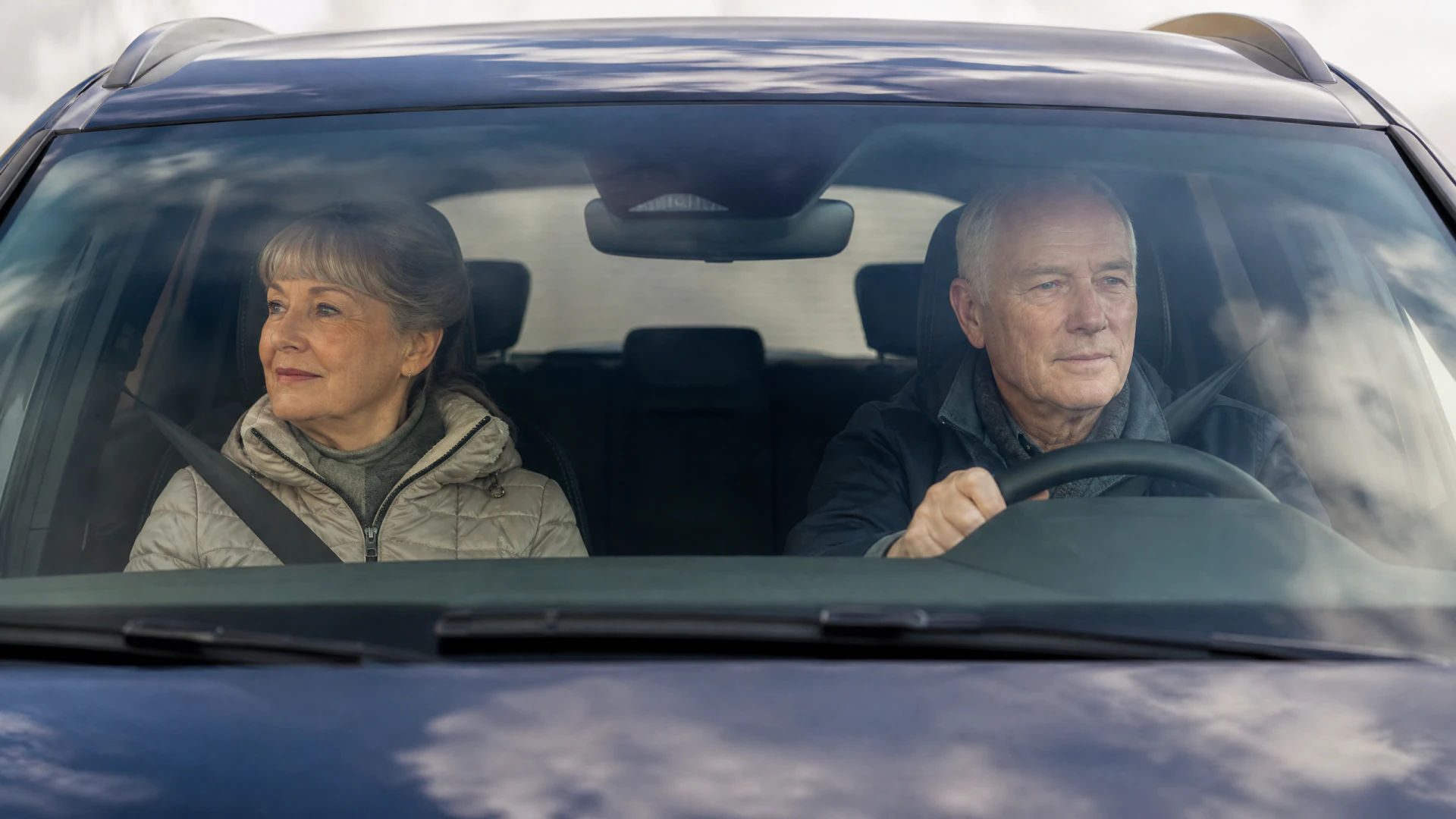
Driving anxiety usually shows up in the body before it shows up in your thoughts. A faster heartbeat, sweaty hands, a dry mouth, a feeling of being short of breath even though nothing is physically wrong. Some people describe it as a tight band across the chest. Others say their vision narrows or they feel strangely disconnected from the road, like they're watching themselves drive instead of just driving.
What triggers it varies. For some it's highway merging or bridges. For others it's night driving, bad weather, or a specific intersection where something went wrong before. The feeling tends to build as the trigger gets closer, peak during it, and ease once you're past it, though for some people it lingers for the rest of the drive.
Whether it followed an accident or a near miss
If the anxiety started after a crash, a close call, or watching someone else go through one, that's a fairly common response. The nervous system holds onto moments like that, and certain conditions, a similar road, a similar sound, a similar weather pattern, can bring the feeling back even when there's no real danger present.
This kind of anxiety often fades with time and continued driving, especially low-stakes driving in familiar places. Avoiding driving altogether tends to make it worse, because the brain never gets the chance to learn that the road is safe again. Short, easy trips, then gradually longer or more complex ones, is how most people work back toward comfortable driving.
If the accident involved an injury or a significant insurance claim, it's also worth asking your insurer how that history is reflected on your policy, since that's a separate question from the anxiety itself but often arrives at the same time.
Whether it shows up only while driving or in other situations too
Some driving anxiety is specific to the car and the road. Nothing else in life feels this way, and once the drive ends, the feeling passes completely. That kind often responds well to practice, familiarity, and small changes like avoiding rush hour or choosing routes without highway merging.
For other people, the same tight chest and racing heart shows up in other situations too, crowded rooms, flying, public speaking. When that's the case, driving isn't really the root of it, it's one place where a broader anxiety response happens to surface. That distinction matters because the way forward is different. One is often about rebuilding confidence behind the wheel specifically. The other is often better addressed by talking to a doctor or a therapist about anxiety more generally.
Either way, what you're feeling is real and common enough that most driving instructors and some therapists specialize in exactly this.
Questions people ask about this
Can driving anxiety come on suddenly after years of driving fine?
Yes, this happens and it doesn't always have an obvious cause. A life change, a health scare, a stressful period, or even an accident involving someone else can be enough to shift how safe driving feels. It doesn't mean something is permanently wrong, but it's worth paying attention to rather than pushing through.
Does driving anxiety get worse with age?
Not inherently, but some things that come with age, slower reaction times, vision changes, less frequent driving, can make a driver feel less confident, and that lack of confidence can look and feel like anxiety. A vision test and an honest look at how often you're still driving regularly can help sort out which it is.
Is driving anxiety a reason to stop driving altogether?
Not necessarily, and for many people the better path is adjusting how and when they drive rather than stopping. Shorter trips, familiar routes, and avoiding high-stress conditions like night driving or heavy traffic let someone keep their independence while the anxiety eases. A doctor or driving instructor can help judge whether avoidance or gradual exposure is the better approach for a specific situation.
Can a refresher driving course help with driving anxiety?
Many people find it does, because it rebuilds confidence through supervised practice rather than just time behind the wheel alone. Courses aimed at older drivers often cover exactly the situations that tend to trigger anxiety, like highway merging or busy intersections. Check whether your state or insurer recognizes a particular course, since that can affect your policy as well as your comfort on the road.
Should I tell my doctor about my driving anxiety?
Yes, especially if it's new, if it's intense, or if it's keeping you from driving when you need to. A doctor can help figure out whether it's connected to a physical cause, a medication, or a more general anxiety that's worth addressing directly, and can point you toward the right kind of help.
Whatever is behind it, it's worth knowing what your policy would look like if your driving habits change.

Start by naming what triggers it, a specific road, a time of day, a type of weather, and try one small, low-stakes drive this week that avoids that trigger. If it followed an accident or a health change, mention it to your doctor so you can rule out a physical cause. If you've cut back on driving, call your insurer and ask how reduced mileage or a defensive driving course might affect your premium, since that's a separate conversation from the anxiety itself. If the feeling shows up outside the car too, consider raising it with a doctor rather than treating it as a driving problem alone.