What Can I Do Instead of Driving
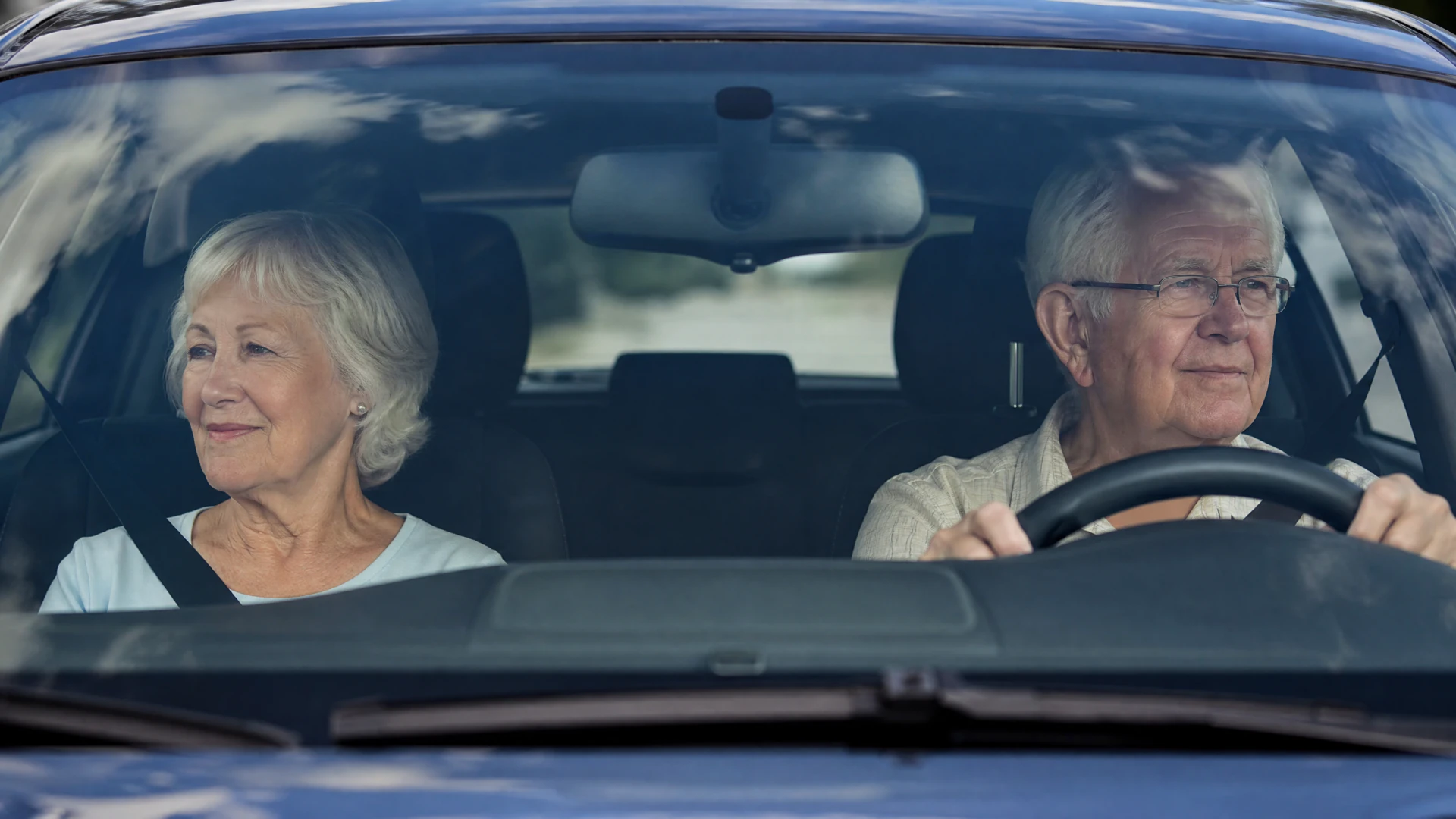
Giving up driving, even part time, can open up options that cost less and sometimes lower your insurance too.
Several options exist, and some change your insurance picture
You can rely on rideshare, public transit, senior transportation services, community shuttles, or family and friends instead of driving yourself. Many areas also have volunteer driver programs through local senior centers or religious organizations, often at low or no cost.
If you stop driving entirely, you can drop your own auto policy and save what you were paying for it. If you still drive sometimes but less, ask your insurer about lowering your mileage estimate, since many base part of your premium on how much you drive.

Whether you're stopping completely or just driving less
If you're giving up driving altogether, the clearest financial step is canceling your policy once you no longer own or regularly use a car. There's no reason to keep paying for coverage on a car that's sold or parked for good.
If you're cutting back but still driving sometimes, a full cancellation doesn't make sense. Instead, call your insurer and ask whether a lower annual mileage estimate reduces your premium. Many insurers price part of the policy based on expected miles driven, so a real drop in mileage can mean a real drop in cost.
If someone else in the household still drives the car, you may be able to come off the policy as a listed driver while the car stays insured under their name. Ask your insurer how that affects the household's rate, since removing a driver with a long clean history can sometimes raise it for everyone else.
What counts as enough of a reduction to matter varies by insurer, so ask directly rather than guessing.
What your state and county actually offer
The alternatives available to you depend heavily on where you live. Some cities have robust senior shuttle networks and reduced transit fares for older riders, while rural areas may have far fewer options and longer wait times for scheduled rides.
Check with your local Area Agency on Aging or senior center, since many coordinate free or low-cost rides to medical appointments, grocery stores, and pharmacies. Public transit agencies in many areas offer reduced fares or ID cards for older riders, which can make regular trips noticeably cheaper than driving.
Rideshare apps work well for some people but assume comfort with a smartphone. If that's a barrier, ask whether your area has a phone-based dispatch version, since several rideshare companies now partner with senior services to offer that.
It's worth calling your county's social services line even if you're not sure what to ask for. They often know about programs that don't show up in a general search.
Questions people ask about this
Does my car insurance go down if I stop driving but keep the car?
It can, but only if you tell your insurer and update the policy. Ask about switching to a reduced-use or non-operational policy if the car stays parked, which typically costs less than full coverage since it doesn't include liability for driving. Confirm with your insurer what that type of policy covers and what it doesn't.
Can I keep my license but stop driving?
Yes, a license doesn't require you to drive, and many people keep theirs as identification even after they stop. Keeping the license doesn't affect your insurance unless you also keep a car registered and insured. If you no longer own a car, you likely don't need an auto policy at all.
What happens to my insurance if I only drive occasionally now?
Tell your insurer about the change, since most policies are priced in part on expected mileage. Driving occasionally rather than daily may qualify you for a lower rate or a usage-based program that tracks actual miles. Ask what your insurer offers and whether it requires a device or app in your car.
Is it cheaper to use rideshare than to keep paying for car insurance?
It depends on how much you currently drive and what your policy costs. For someone who drives rarely, the cost of occasional rides can be lower than a full year of premium, registration, and maintenance. Add up what you spend on insurance, gas, and upkeep over a year and compare it to what regular rides would cost in your area.
Will giving up my car affect my insurance if I start driving again later?
Insurers look at your driving history and any gap in coverage when you reapply. A gap itself isn't a violation, but some insurers price new policies higher for applicants without recent continuous coverage. Ask any insurer you're considering how they treat a coverage gap before you decide to cancel entirely.
See what a policy built around how little you actually drive would cost.
Start by tracking how often you actually need to go somewhere over the next week or two. Call your insurer and ask directly what happens to your rate if you lower your mileage estimate, switch to a reduced-use policy, or cancel outright. Separately, call your local Area Agency on Aging or senior center to ask what transportation programs exist near you, since these are often free and underused. If you decide to stop driving for good, keep your license as ID but don't let the policy auto-renew without a conversation first. Bring your current policy declarations page to that call so you can compare what you're told against what you're already paying.