Medicare and Car Accidents in Wisconsin
Medicare is not your car insurance after an accident, and Wisconsin law has its own rules for who pays first.
Your car insurance pays before Medicare does
If you're in a car accident in Wisconsin, your auto insurance is the first payer for medical bills from that crash, not Medicare. Wisconsin requires drivers to carry medical payments coverage or have it offered to them, and that coverage, along with any liability payout from the at-fault driver's insurer, is supposed to pay out before Medicare gets billed.
Medicare can still end up involved. If your auto coverage runs out, or there's a dispute over who was at fault, or your treatment goes on longer than your policy limits allow, Medicare may step in to cover what's left. When that happens, Medicare expects to be paid back out of any settlement or judgment you later receive from the accident.
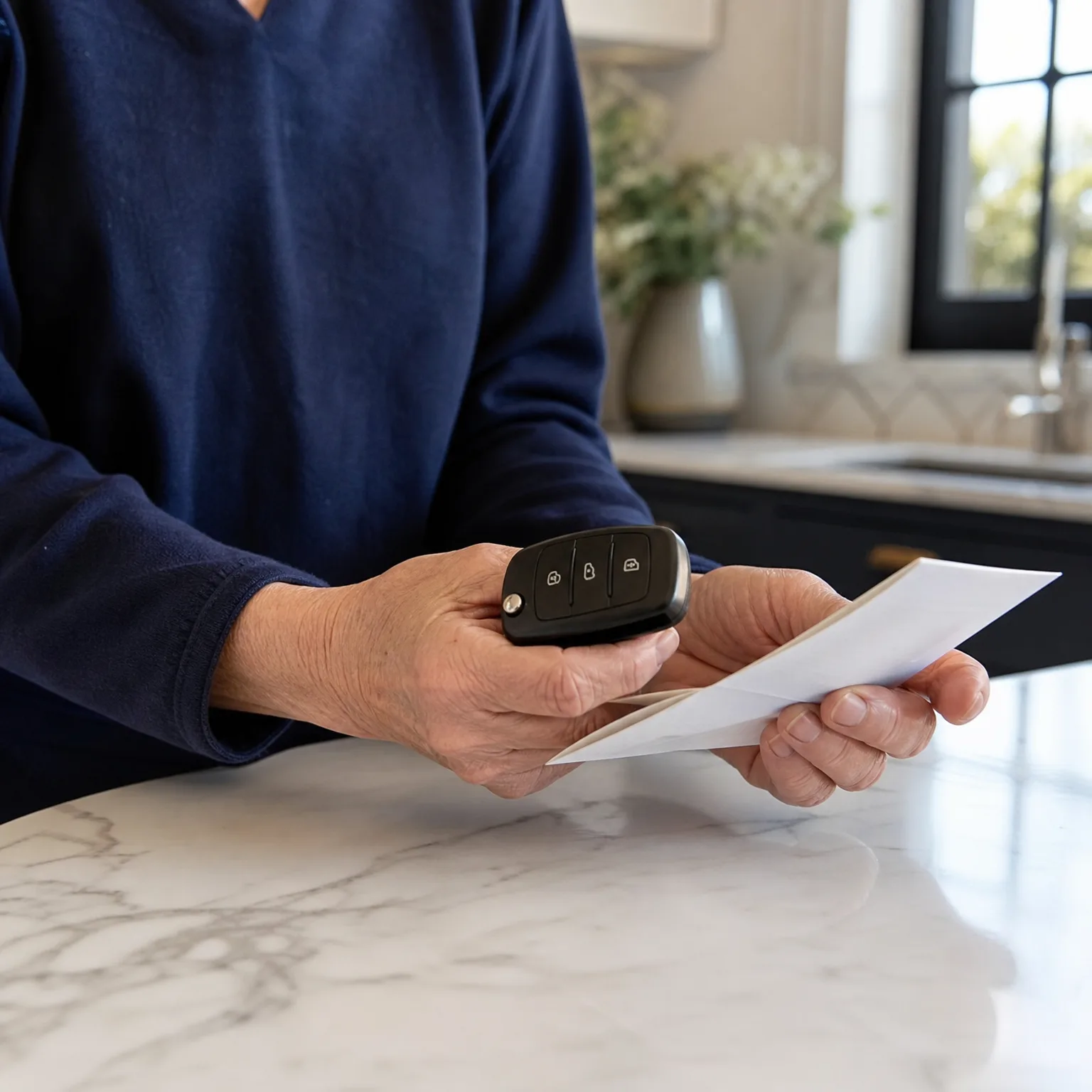
What coverage you were carrying at the time of the crash
The first thing to check is what your own auto policy actually includes. Wisconsin drivers typically have medical payments coverage or underinsured motorist coverage that's meant to pay medical bills after an accident regardless of fault. That's the coverage that should be billed first, not Medicare.
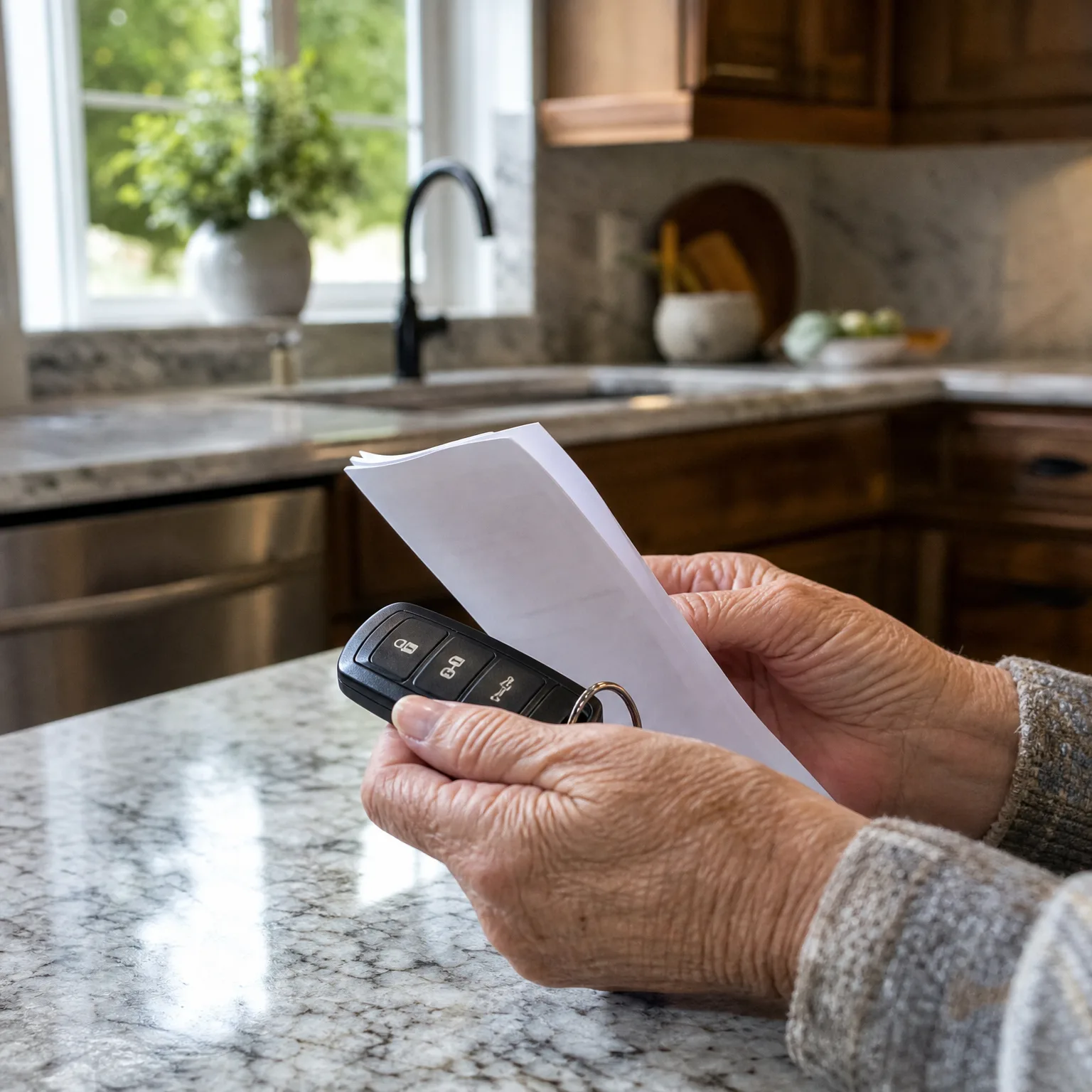
If you're not sure what's on your policy, your declarations page will list it, or you can call your agent and ask specifically what pays for your own medical treatment after a crash. This matters because hospitals and clinics sometimes bill Medicare automatically if that's the insurance on file, even when your auto policy should have been billed instead.
If that happens, it can usually be corrected, but it takes someone, often you or whoever is helping you, to tell the provider's billing office to rebill the auto insurer first. The sooner that gets sorted out, the less complicated it is to untangle later.
If there's a liability dispute, meaning the other driver's insurer hasn't accepted fault, your own medical payments coverage still typically pays while that gets worked out.
Whether Medicare paid anything that needs to be repaid later
If Medicare did end up paying for any treatment related to the accident, even temporarily while insurance questions were sorted out, Medicare has a right to be reimbursed from any settlement or judgment you get from the at-fault driver or their insurer. This is handled through Medicare's conditional payment process, and it applies whether you settle the claim yourself or through a lawyer.
This is worth knowing before you settle, not after, because a settlement that doesn't account for a Medicare repayment claim can leave you owing money you didn't plan for. If a lawyer is involved in your claim, they typically handle this directly with Medicare's recovery contractor. If you're handling the claim yourself, you or your estate can contact Medicare directly to find out if a conditional payment was made and what the repayment amount is.
This step applies only if Medicare actually paid something. If your auto insurance covered everything, there's nothing for Medicare to recover and nothing to resolve.
Questions people ask about this
Does Wisconsin require car insurance to cover medical bills after an accident?
Wisconsin requires insurers to offer medical payments coverage, though drivers can decline it in writing. Check your policy or ask your agent whether you carry it, since it's what typically pays your medical bills first after a crash, before any other coverage is considered.
Who pays my medical bills if the other driver didn't have insurance?
Your own uninsured motorist coverage is what typically applies in that situation, not Medicare. Wisconsin requires this coverage to be offered on auto policies. If you're not sure whether you carry it, your policy declarations page will show it.
Can a hospital bill Medicare directly after a car accident even if I have auto insurance?
Yes, this happens sometimes, especially if the hospital has Medicare on file as your primary insurance. If your auto coverage should have been billed first, you or whoever is helping manage your care needs to contact the billing office and have it corrected.
Does Medicare cover a rental car or vehicle repairs after an accident?
No. Medicare only covers medical treatment. Vehicle repairs, rental cars, and property damage are handled entirely through auto insurance, either your own collision coverage or a claim against the at-fault driver's insurer.
What happens if my medical bills from the accident go over my auto policy limits?
If your medical payments or underinsured motorist coverage limits are used up, Medicare may then start covering additional treatment related to the accident. If that happens, Medicare will typically seek repayment later from any settlement or judgment connected to the crash.
See what Wisconsin requires for medical payments coverage and compare how different policies handle it.
Pull out your current auto policy and find the section on medical payments or personal injury protection, so you know what's supposed to pay first if you're ever in an accident. If you've already been in one and bills are being sent to Medicare, call the provider's billing office and ask them to bill your auto insurer instead. If Medicare has already paid anything related to the accident, contact Medicare's benefits coordination office to ask whether a conditional payment was made and what you'd need to repay from any settlement. Keep a copy of your auto policy's declarations page somewhere easy to find, since you'll need it if a claim comes up. If you're helping a parent with this, ask to see their policy together rather than guessing at what it covers.