Medicare and Car Accidents in Washington
Medicare isn't the first payer after a car accident in Washington. Your auto insurance is.
Your car insurance pays first, not Medicare
In Washington, auto insurance is meant to pay for injuries from a car accident before Medicare does. Washington requires personal injury protection, or PIP, to be offered on every auto policy, and if you have it, that coverage pays your medical bills first regardless of who caused the crash.
Medicare can still come in afterward if your medical costs go beyond what your auto coverage pays, or if you declined PIP and have no other coverage to draw on. This is called Medicare Secondary Payer rules, and they exist specifically so Medicare isn't the first source of payment when another kind of insurance is available.
Whether you have PIP changes everything
If your policy includes PIP, your medical bills from the accident go to your auto insurer first, up to the limit of that coverage. This happens automatically and doesn't depend on fault. Only after PIP is used up would Medicare potentially step in to cover remaining costs.
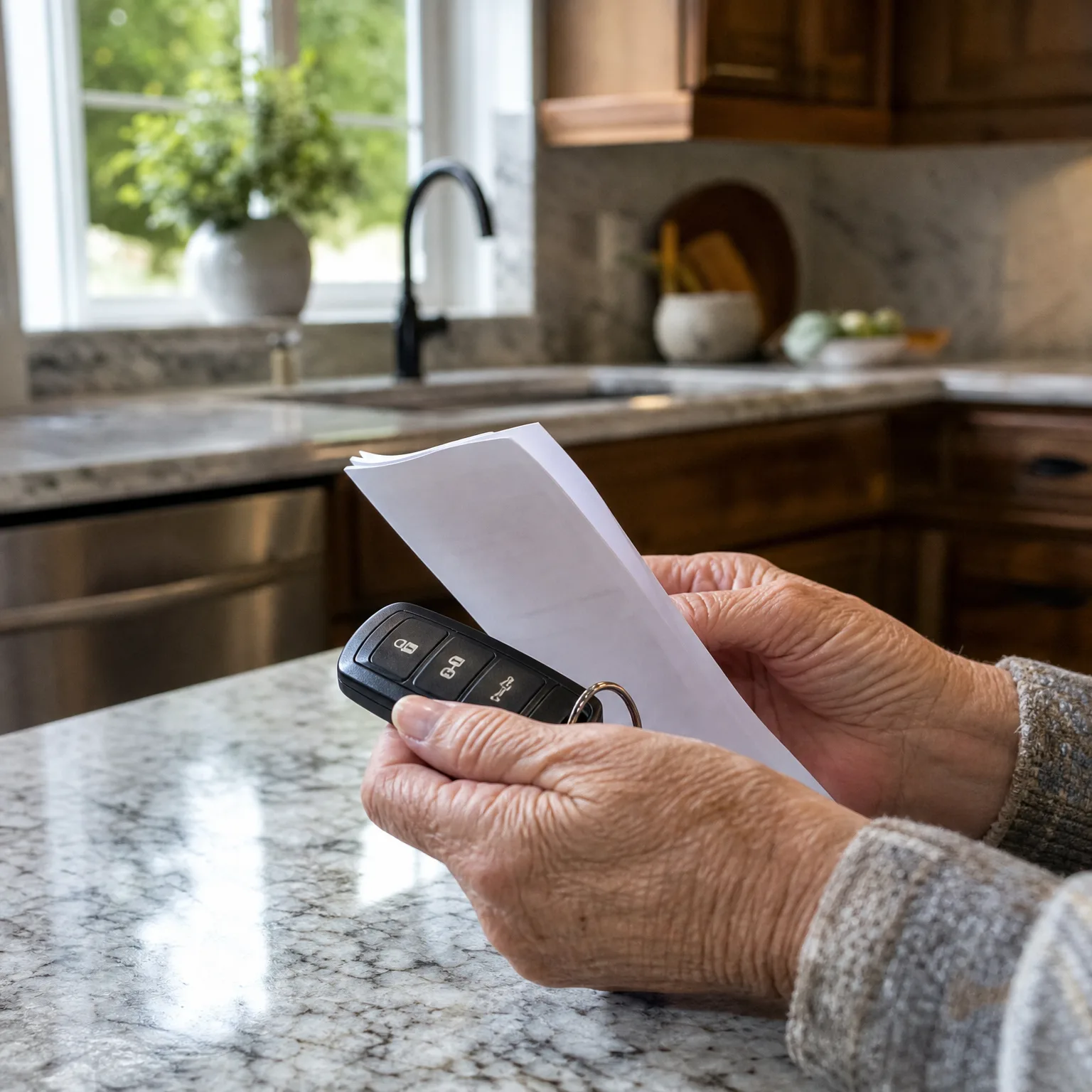
Washington lets drivers reject PIP in writing when they buy a policy. If you did that years ago and don't remember, check your declarations page or call your insurer and ask directly whether you have PIP and what the limit is.
If you rejected PIP, Medicare may end up paying your accident-related bills sooner, but Medicare will expect to be reimbursed if you later receive a settlement or judgment from the other driver. This is where things get complicated, so it helps to tell your doctor's office up front that the injury is from a car accident, so they bill the right payer first.
A settlement from the other driver changes who gets paid back
If you pursue a claim against the driver who hit you, or your own underinsured motorist coverage, Medicare has a right to be reimbursed out of that settlement for anything it already paid toward your treatment. This applies whether the case settles quickly or takes a long time to resolve.
Medicare will usually send a letter once it learns about the accident, asking for information about any claim or lawsuit. Keep records of what Medicare has paid for accident-related care, because you may need to provide that figure to whoever is handling your settlement.
An attorney or claims adjuster handling an injury claim in Washington should already know to account for this. If you're handling things yourself, ask your insurer or the other driver's insurer directly whether a Medicare set-aside or reimbursement amount needs to be settled before you accept any payment.
Questions people ask about this
Does Medicare cover car accident injuries if I don't have PIP?
Medicare can cover car accident injuries if no other insurance is available to pay first. Whether that's the case depends on what coverage you carry and what Washington requires, so check your policy or ask your insurer whether PIP or another coverage applies before assuming Medicare pays first.
Will my car insurance go up after a Medicare claim from an accident?
Whether a claim affects your premium depends on who was at fault and how your insurer rates accidents, not on whether Medicare was involved in paying medical bills. Ask your insurer how an accident like yours is typically rated on renewal.
Do I need to tell Medicare about a car accident in Washington?
Yes, if Medicare may end up paying any of your accident-related medical bills, you or your providers typically need to report the accident so Medicare can coordinate with your auto insurance correctly. Your doctor's billing office can often help start this process.
Can Medicare Advantage plans handle car accident claims differently than original Medicare?
Medicare Advantage plans still follow the same secondary payer rules as original Medicare, meaning your auto insurance pays first when it applies. Contact your specific plan to ask how they coordinate benefits after an accident, since claims handling can vary by plan.
What happens if my medical bills from the accident are more than my PIP limit?
Once your PIP coverage is used up, remaining medical bills from the accident can be submitted to Medicare if you're enrolled. Check with your auto insurer on your remaining PIP balance before those bills are sent elsewhere.
See what auto coverage in Washington would mean for your medical bills if you're ever in an accident.
Pull out your current auto policy and find your declarations page this week. Look for whether PIP is listed and what the dollar limit is, since that determines what pays first after an accident. If you can't find it or aren't sure, call your insurer and ask them to confirm it in plain terms. If you're already dealing with a recent accident, tell your doctor's office that it's accident related so they bill correctly, and keep copies of anything Medicare sends you about the claim. If a settlement is involved, ask the insurer or attorney handling it how Medicare will be reimbursed before you agree to anything.