Medicare and Car Accidents in Utah
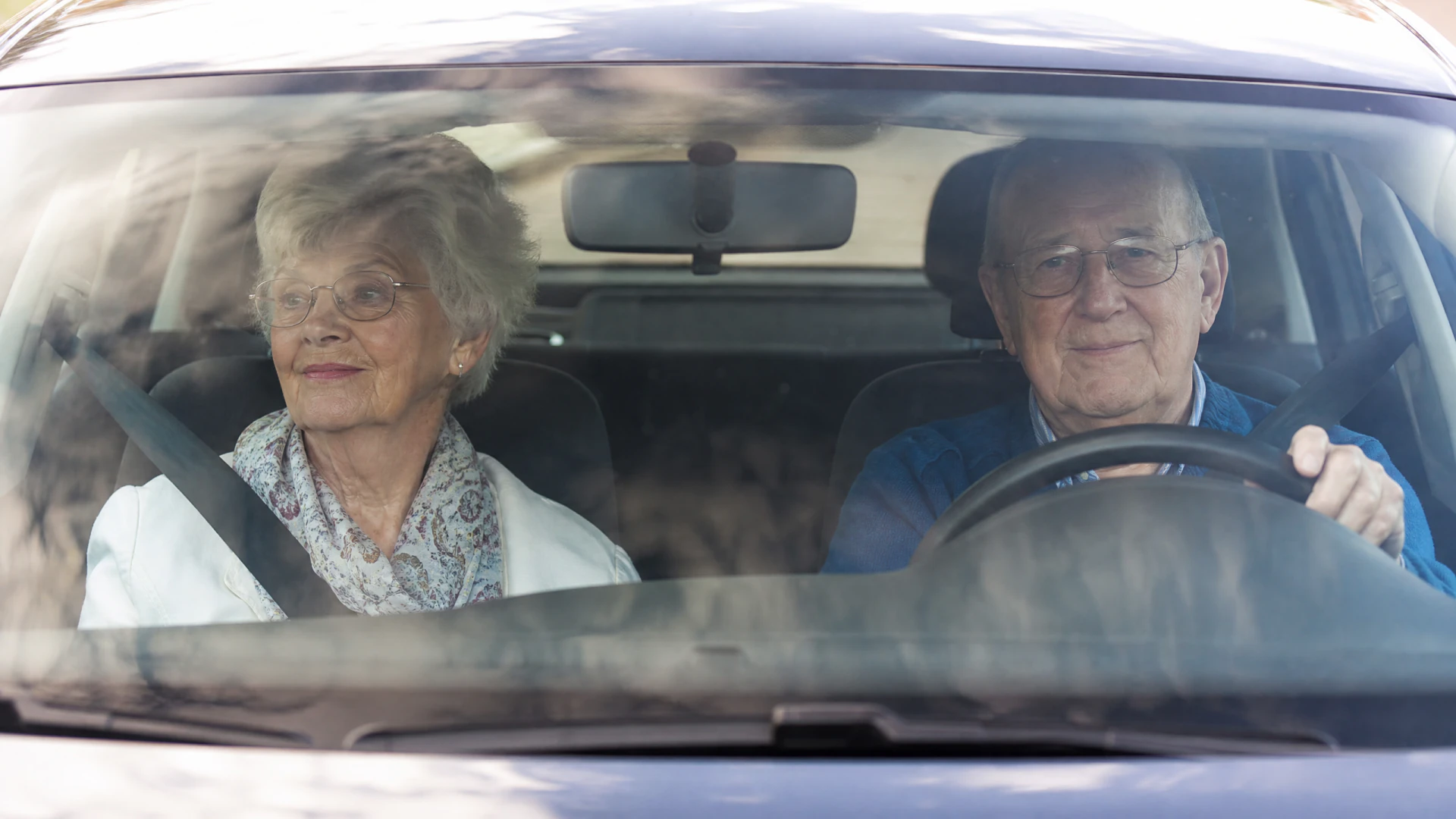
Medicare can help pay for injuries from a car accident in Utah, but it usually pays after your auto insurance, not instead of it.
Medicare pays after your car insurance, not before it
Utah requires drivers to carry personal injury protection as part of their auto policy. When you're hurt in a car accident, that coverage is the first to pay your medical bills, regardless of who caused the crash. Medicare steps in only after that coverage is used up, or for costs it doesn't cover.
This order matters because Medicare is set up as a secondary payer in situations where another type of insurance is responsible first. Your PIP coverage is considered that primary payer. If you skip it or let a provider bill Medicare directly without mentioning the accident, you can end up with a mess that takes months to untangle.
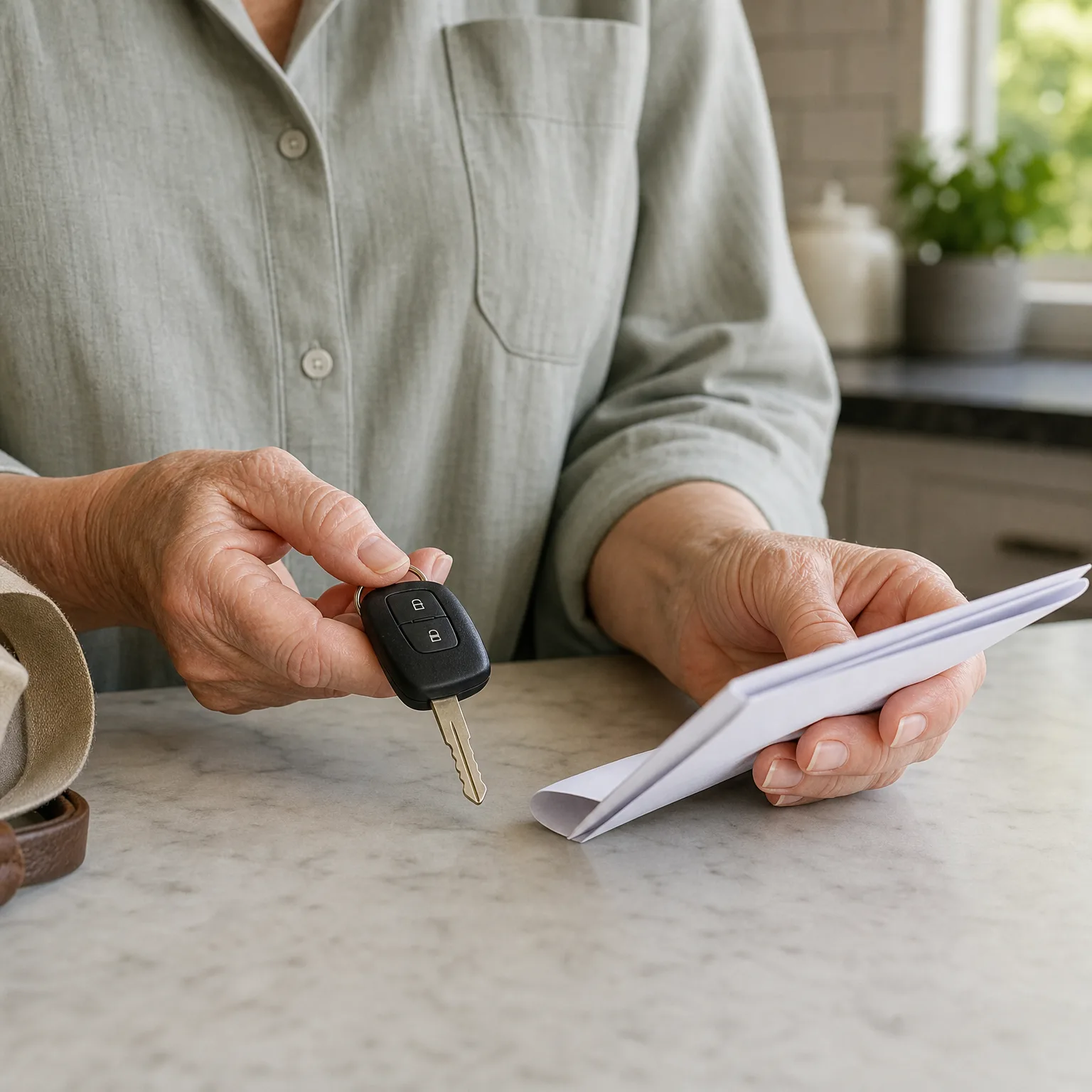
How much PIP coverage you carry changes what Medicare ever sees
Utah sets a minimum amount of personal injury protection that drivers must carry, but you can buy more. The higher that coverage, the more of your accident-related bills get paid before Medicare is ever involved.
If your PIP coverage runs out while you're still being treated, your providers may start billing Medicare for what's left. At that point, Medicare will want to know the accident happened and that PIP paid what it owed first. Keep your accident report and your PIP claim number together, because a provider's office or Medicare's coordination of benefits contractor will likely ask for them.
If you're not sure how much PIP coverage you carry, your declarations page will show it, or you can call your agent and ask directly.

Who else might be responsible for the bill changes the paperwork, not the coverage
If the other driver was at fault, their liability insurance may eventually owe you money too, through a claim or a settlement. Medicare has a right to be paid back out of that settlement for anything it paid related to the accident. This is separate from how PIP works and happens later, often after you've already seen a doctor a few times.
If you hire an attorney for the accident claim, tell them Medicare was billed. Settlements that don't account for a Medicare repayment can get delayed or reopened.
If no one else was at fault, this step doesn't apply, and the claim stays between you, your PIP coverage, and Medicare.
Questions people ask about this
Does Medicare cover a rental car after an accident in Utah?
No, Medicare only covers medical care, not property costs like a rental car. A rental car would come from your own auto policy if you carry that coverage, or from the at-fault driver's insurer if they're found responsible.
Will my Medicare premium go up after a car accident claim?
No, Medicare premiums are not affected by car accidents or the claims tied to them. Your auto insurance premium is a separate matter and is set by your insurer based on the accident and your record.
Does Medicare Advantage work differently than Medicare in a car accident?
The same ordering rule applies. Your auto insurance PIP coverage still pays first, and your Medicare Advantage plan pays after, following its own coverage rules for what it will pick up. Check with your plan directly if you're unsure how it coordinates with an auto claim.
What happens if I don't have enough PIP coverage to cover my injuries?
Once your PIP coverage is exhausted, remaining medical bills can be submitted to Medicare if you're enrolled. Your provider's billing office usually handles this step, but it helps to confirm they have your accident details on file.
Do I need to report a car accident to Medicare myself?
In many cases a provider's office or an attorney reports it as part of billing or a settlement, but you can also contact Medicare's coordination of benefits line yourself to make sure the accident is on record. This matters most if a settlement or lawsuit is involved.
If you want to understand how your current coverage would handle a claim like this, compare what other policies offer.

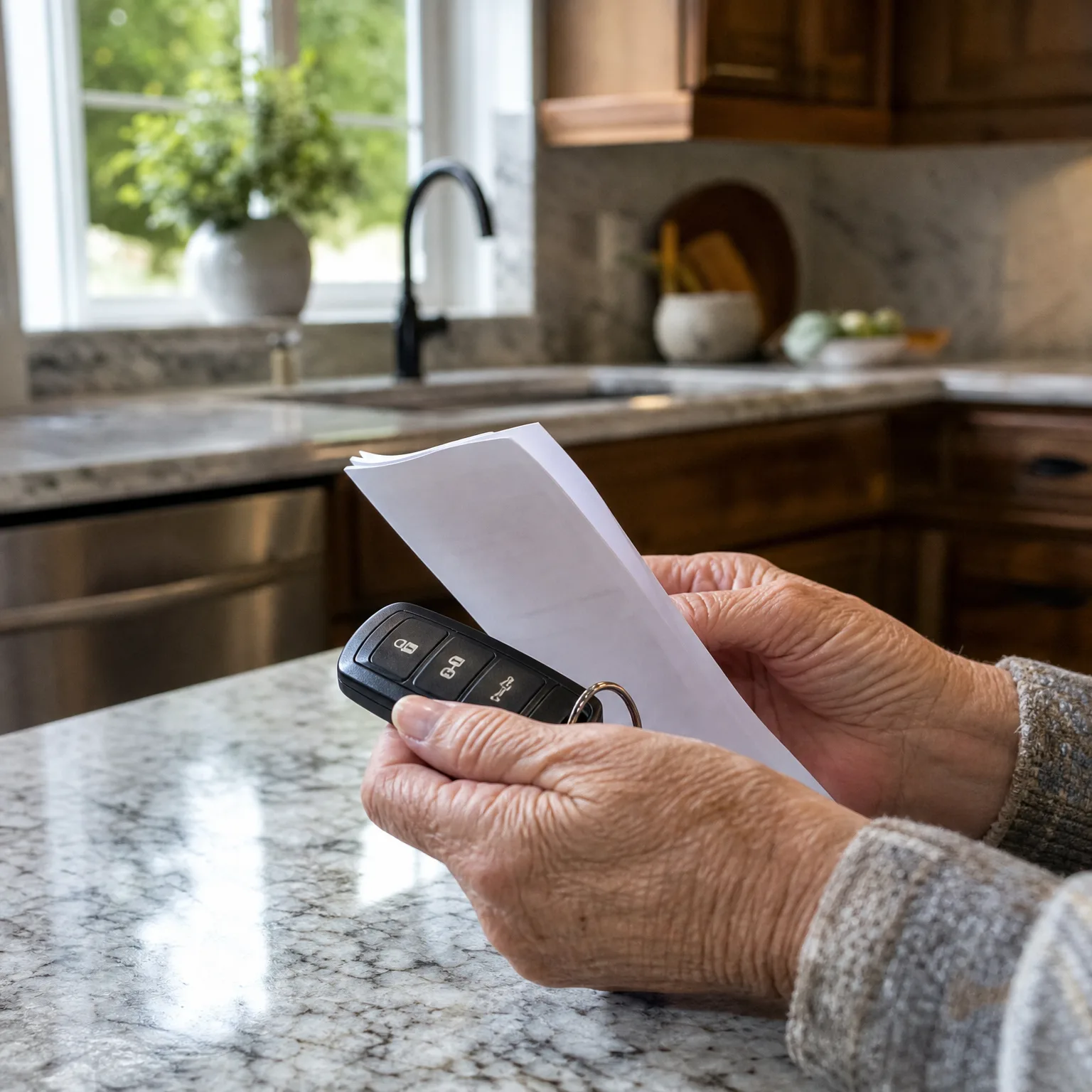
Pull out your auto insurance declarations page this week and check how much personal injury protection you actually carry. Call your agent if the number isn't clear or if you want to raise it. Keep a folder, paper or digital, for anything related to an accident: the police report, PIP claim number, and any letters from Medicare's coordination of benefits contractor. If you're ever in an accident, tell every provider's office up front that you have both auto insurance and Medicare, so the billing goes in the right order from the start. If a settlement with another driver's insurer is ever part of the picture, ask your attorney or claims adjuster how Medicare's repayment will be handled before you sign anything.