Medicare and Car Accidents in Oklahoma
Medicare doesn't pay for car accident injuries in Oklahoma. Your auto insurance does, and it pays first.
Medicare isn't the payer here, your auto policy is
Oklahoma requires drivers to carry liability coverage, and that coverage, along with any personal injury protection or medical payments coverage you bought, is what pays your medical bills after a car accident. Medicare was built for health care generally. It wasn't built to be a car accident payer, and in most cases the law requires auto insurance to pay first anyway.
If you're on Medicare, this still holds. Your age and your Medicare enrollment don't change who pays first after a crash. What changes the picture is what's on your auto policy and what the other driver's policy looks like.
What's on your auto policy matters more than your age
Oklahoma sets a minimum amount of liability coverage drivers must carry, but that minimum is often not enough to cover serious injuries. If you're at fault, your liability coverage pays the other driver's medical bills up to your policy limit. If you're not at fault, the other driver's liability coverage is supposed to pay yours.
The real gap shows up when the at-fault driver has no insurance, or not enough. This happens more often than people expect. Uninsured motorist coverage and underinsured motorist coverage exist for exactly this situation, and if you don't have them, you may be left with bills that neither Medicare nor the other driver's insurance will fully cover.
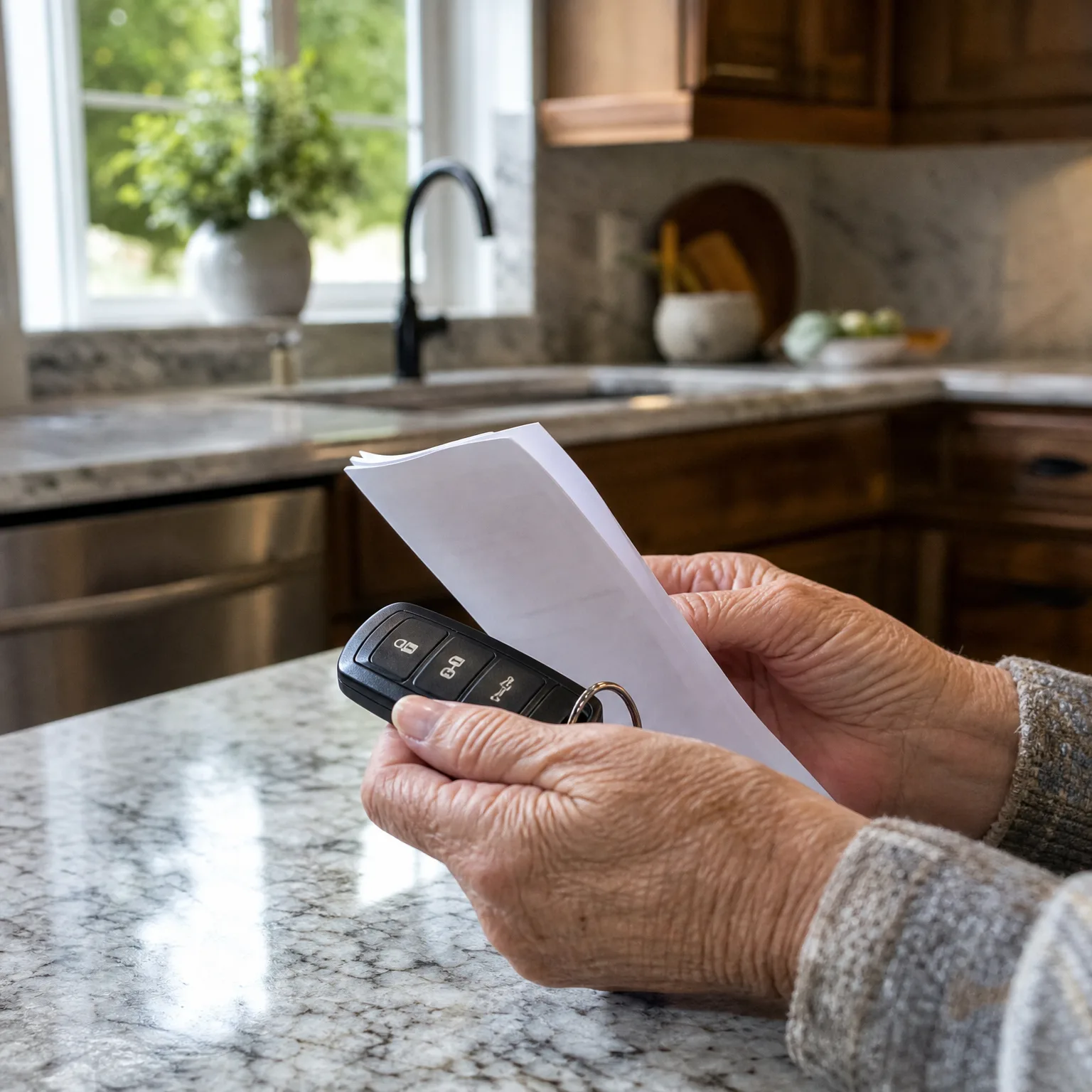
Check your declarations page for uninsured and underinsured motorist coverage specifically. If it's not there, call your agent and ask what it would take to add it. This is the single most useful thing to check before anything happens, not after.
Where Medicare does step in, and the order it happens in
Medicare can end up paying some medical costs related to a car accident, but only after your auto insurance and any liability coverage have been billed first and have paid what they owe or exhausted their limits. This is called Medicare being a secondary payer, and it's a federal rule, not something specific to Oklahoma.
If Medicare does pay anything before the auto insurance settlement is finished, Medicare has a right to be paid back out of that settlement. This is why hospitals and doctors will usually ask about your auto insurance and the other driver's insurance before they bill Medicare at all.
If you're ever unsure whether a bill was sent to the right payer first, ask the billing office directly which insurance they billed and in what order. Getting this wrong can mean delays or confusion later, even if the bill eventually gets paid correctly.
Questions people ask about this
Does Medicare cover an ambulance ride after a car accident in Oklahoma?
Medicare can cover ambulance costs, but only after your auto insurance's medical coverage, if you have it, is billed first. Whether it's billed to Medicare at all depends on what coverage you carry and what the ambulance company's billing practices are. Ask the provider directly which insurance they billed first.
Do I still need PIP or medical payments coverage if I have Medicare?
Yes, because PIP and medical payments coverage pay before Medicare does and can cover costs Medicare doesn't, like lost wages in some cases. Medicare being secondary means it won't step in as the first payer regardless of your age or enrollment.
What happens if the other driver has no insurance and I'm on Medicare?
Without uninsured motorist coverage on your own policy, you may have to rely on Medicare for medical costs and pursue the other driver directly for anything Medicare doesn't cover. This is the exact situation uninsured motorist coverage is meant to prevent, so it's worth checking whether you have it.
Can my car insurance company ask Medicare to pay instead of them?
No. Federal law makes Medicare the secondary payer when liability or auto insurance is available, so insurers can't shift that responsibility onto Medicare. If a bill gets sent to Medicare first by mistake, it can usually be corrected once the auto claim is settled.
Will a car accident claim affect my Medicare coverage later?
No, filing an auto insurance claim or receiving a settlement doesn't change your Medicare eligibility or coverage going forward. The main thing to watch is Medicare's right to be repaid from a settlement if it paid any bills before the auto claim was resolved.
See what Oklahoma drivers like you are paying for the coverage that actually pays first.

Pull out your auto policy's declarations page this week and look specifically for uninsured and underinsured motorist coverage, along with PIP or medical payments coverage. If any of those are missing, call your agent and ask what adding them would cost and what they'd cover. Keep a copy of your Medicare card and your auto insurance card together in the glove compartment, since providers will want both after any accident. If you're ever billed directly by a hospital or ambulance service after a crash, ask them which insurance they billed first before you pay anything.