Medicare and Car Accidents in New Mexico
Medicare pays for very little after a car accident, so your auto insurance still has to do most of the work.
Medicare is not your accident coverage
Medicare is health insurance. It can pay for medical treatment after a crash, but only after other coverage that's supposed to pay first has been billed. In New Mexico, that means your own auto policy, and the other driver's liability coverage if they're found at fault.
New Mexico requires drivers to carry liability insurance, and insurers there also have to offer medical payments coverage, which is the kind of coverage built to pay your medical bills after a crash regardless of fault. If you have that, it pays before Medicare even enters the picture. Medicare becomes what's called a secondary payer, stepping in only for costs those other sources don't cover.

Whether you have medical payments or liability coverage from the crash
New Mexico law requires drivers to carry liability insurance, which pays for injuries to others if you cause a crash. If someone else caused your crash, their liability coverage is supposed to pay your medical bills first, not Medicare.
If you carry medical payments coverage on your own policy, that pays for your treatment regardless of who caused the accident, and it also comes before Medicare.
Medicare has a formal process for this. When a claim involves a car accident, Medicare expects to be reimbursed from any settlement or insurance payout if it ends up paying for treatment related to the crash. That's why your own insurer and Medicare's contractor will usually both want to know the details of the accident and who else might owe money.
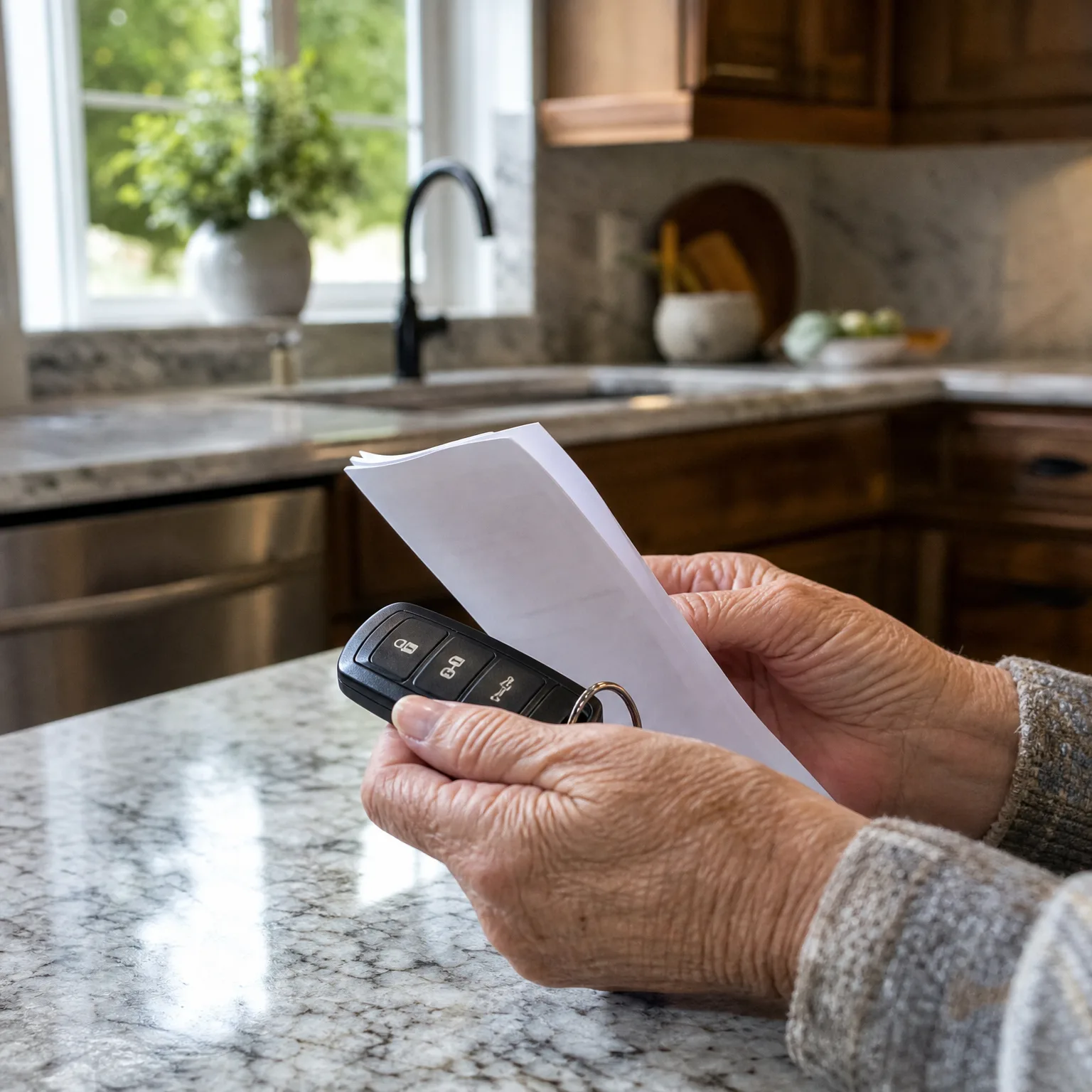
If you're not sure what coverage you're carrying, check your policy declarations page or call your agent and ask specifically about medical payments coverage and liability limits.
What people get wrong about timing and reimbursement
A common mistake is assuming that because Medicare paid a bill quickly, that's the end of it. It usually isn't. If it turns out the other driver's insurance or your own auto policy owed money for that same treatment, Medicare will seek reimbursement once that claim settles.
This matters most if you're pursuing a claim or lawsuit against the other driver. Any settlement you receive may need to account for what Medicare paid on your behalf, and that amount gets resolved before you can fully close out the claim.
It also matters if you're waiting on your own insurer to make a decision about fault or coverage. Letting Medicare pay first because it's faster can create a longer reconciliation process later. Asking your auto insurer early about who pays first can save you that headache.
If a claim adjuster or medical provider mentions Medicare's conditional payment process, that's normal, and it's worth asking your insurer directly how they coordinate with Medicare on accident claims.
Questions people ask about this
Does Medicare cover a rental car after an accident in New Mexico?
No, Medicare doesn't cover rental cars under any circumstance. That's a feature of auto insurance, specifically rental reimbursement coverage, which you'd need to have added to your own policy or get through the at-fault driver's insurer.
Will my car insurance go up after a claim if Medicare paid first?
That depends on your insurer and whether you were found at fault, not on whether Medicare was involved in paying medical bills. Ask your insurer how an accident claim affects your rate before you decide how to handle the claim.
Do I have to tell Medicare about a car accident claim?
Yes, if Medicare has paid or may pay for treatment related to the accident, you're expected to report it. Medicare's contractor handles these as conditional payments and will seek reimbursement once another insurer's payment is settled.
Can I still use my regular doctor after a car accident in New Mexico?
Usually yes, but check with your auto insurer first about how they want treatment documented, since that affects whether your medical payments or liability coverage pays the bill. Your Medicare coverage doesn't change which doctors you're allowed to see.
What happens if the other driver has no insurance?
New Mexico requires drivers to carry insurance, but if the other driver doesn't, your options depend on whether you carry uninsured motorist coverage. Without it, Medicare may end up being the only payer for your treatment, so it's worth checking your policy for this coverage now.
See what auto coverage would actually pay first if you were in an accident.
Pull out your current auto policy and check whether you have medical payments coverage and what your liability limits are. Call your agent or insurer and ask directly how a claim would be coordinated with Medicare if you were injured in a crash. If you don't currently carry medical payments or uninsured motorist coverage, ask what it would cost to add either one. Keep a copy of your declarations page somewhere easy to find, since you'll want it on hand if you're ever in an accident and need to tell providers which insurance to bill first.