Medicare and Car Accidents in Mississippi
Medicare covers your medical bills after a crash, but it works alongside your car insurance, not instead of it.
Medicare pays medical costs, car insurance pays the rest
Medicare is health coverage. It pays your doctors, your hospital, your rehab, the same way it would if you'd gotten hurt any other way. It doesn't pay to fix your car, it doesn't pay for a rental, and it doesn't settle anything with the other driver's insurer.
Mississippi requires drivers to carry liability insurance, and that insurance is what covers damage and injury you cause to someone else. Your own car insurance, not Medicare, is what you turn to for your vehicle and for a claim against another driver. Medicare steps in for the medical side, and it steps in alongside, not ahead of, any insurance settlement you receive.

Who pays first matters
When you have both Medicare and car insurance involved after an accident, there's an order to who pays first. If your auto policy includes medical payments coverage or personal injury protection, that coverage typically pays your medical bills before Medicare does. Medicare becomes what's called the secondary payer in that case.
This isn't a formality. If Medicare pays first when it should have paid second, Medicare can later demand that money back once your auto insurer or the other driver's insurer pays out. This is called a conditional payment, and it comes with real paperwork.
If you get a settlement from the other driver's insurance company, expect Medicare to ask whether any of its payments need to be reimbursed from that settlement. This is standard, not a sign you did anything wrong, but it means you should keep records of every medical bill connected to the accident and every payment any insurer makes toward it.
Check your own auto policy for medical payments coverage or PIP before you need it, so you know whether that coverage exists and what it pays for.

What a settlement means for Medicare
If you're hurt in an accident and the other driver is at fault, you may end up negotiating a settlement with their insurance company. Medicare has a right to be repaid out of that settlement for any medical care it already covered related to the accident.
This repayment process can take time, and insurers and personal injury attorneys who handle these claims usually know how to account for it. If you're working with an attorney on a claim, tell them you're on Medicare early, since it affects how the settlement gets structured and reported.
A settlement that doesn't account for Medicare's interest can get held up, or you could be asked to pay Medicare back later from money you've already spent. Ask your attorney or the insurer handling the claim how Medicare reimbursement will be handled before you agree to any settlement number.
Questions people ask about this
Does Medicare cover a car accident if I was at fault?
Yes, Medicare pays for your own medical treatment regardless of who caused the accident. Fault affects who your car insurance holds responsible for damages, but it doesn't change whether Medicare covers your medical care.
Will my car insurance rate go up if Medicare pays my medical bills?
Your insurance company sets rates based on the accident itself, including who was at fault and what claims were paid, not based on which program covered your medical bills. Ask your insurer how an at-fault or not-at-fault accident affects your specific policy.
Do I need medical payments coverage or PIP if I have Medicare?
That depends on what you want covered and how your state's rules work, so check with your agent about what's required or available in Mississippi. Even with Medicare, this coverage can pay costs Medicare doesn't, like certain out-of-pocket expenses, and it can pay before Medicare does.
Can Medicare refuse to pay for accident-related injuries?
Medicare generally covers medically necessary treatment regardless of cause, but it will coordinate with any liability insurance or settlement connected to the accident. If there's a dispute about who should pay first, contact Medicare's coordination of benefits office to sort out the order.
What happens if the other driver has no insurance?
Medicare still covers your medical treatment either way. For the damage and injury the uninsured driver caused, you'd rely on your own uninsured motorist coverage if you have it, so check whether your policy includes that protection.
See what car insurance options make sense alongside the coverage you already have.
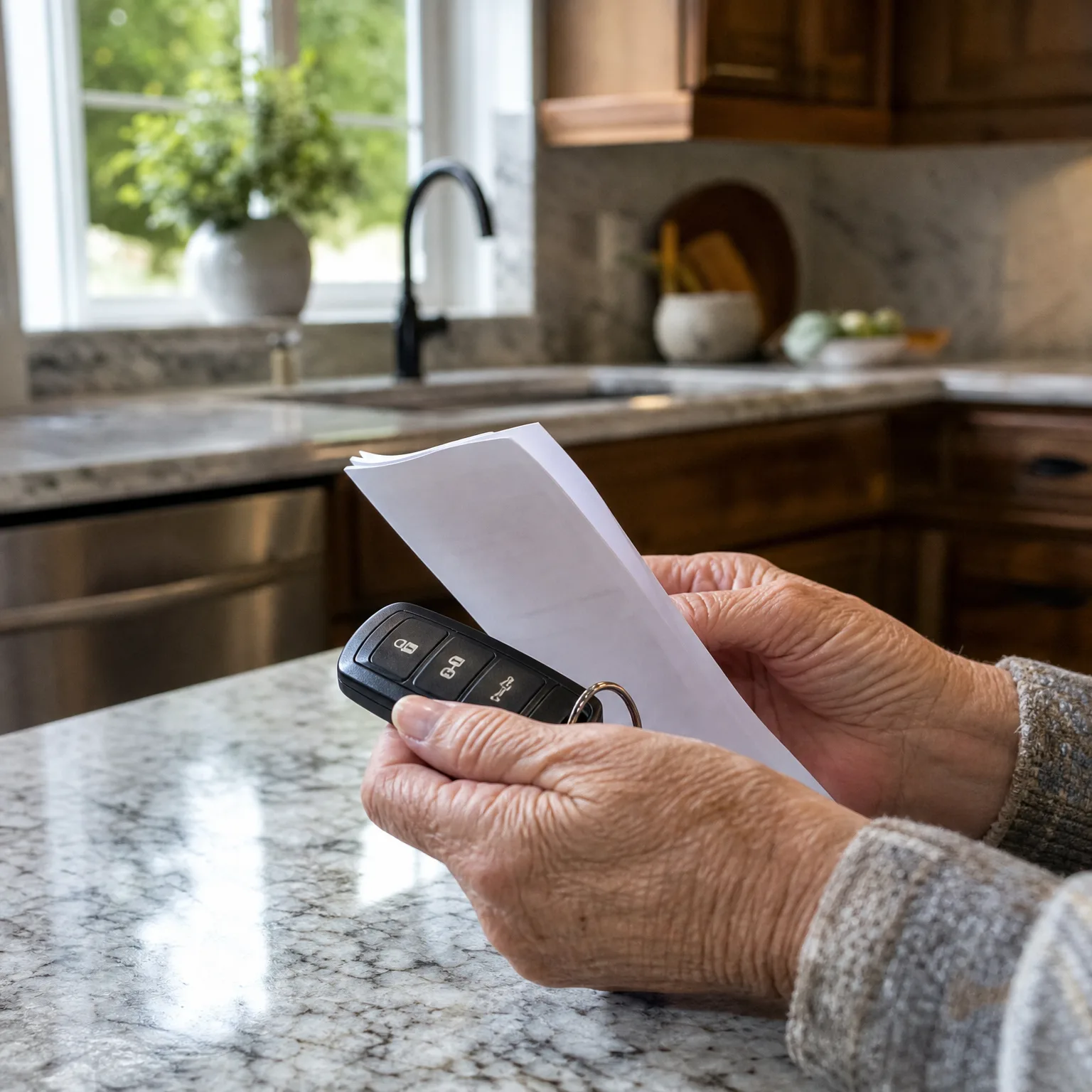
Pull out your current auto policy and check whether it includes medical payments coverage or personal injury protection, and note the limits. If you've been in an accident recently, gather the medical bills and any paperwork from Medicare about what it has paid so far. Call your insurance agent and ask directly how a claim would be coordinated between your auto policy and Medicare. If you're pursuing a claim against another driver, ask whoever is handling it, whether that's an attorney or the insurer, how Medicare's repayment interest will be addressed before you sign anything. Keep copies of everything related to the accident in one place, since you may need it again months later when a settlement or reimbursement request comes through.