Medicare and Car Accidents in Iowa
Medicare pays after your car insurance does, not instead of it, when a crash causes an injury.
Your car insurance is billed first, Medicare second
If you're hurt in a car accident, Medicare is not the first payer. Iowa requires drivers to carry liability coverage, and in many cases your own auto policy's medical payments or personal injury protection coverage pays your medical bills first. Medicare only pays after that coverage is exhausted or if there's a dispute about who's responsible for the crash.
This matters because providers and hospitals are required to bill your auto insurer before they bill Medicare. If a hospital bills Medicare directly and it later turns out your auto insurer should have paid, Medicare can seek that money back. This is called a conditional payment, and it's one reason claims after a crash can take longer to settle than people expect.
What coverage you carry on your own car
The coverage on your own auto policy decides how much you handle before Medicare is ever involved. Iowa doesn't require drivers to carry personal injury protection or medical payments coverage, so whether you have either one depends entirely on what you bought.
If you have medical payments coverage or PIP, that pays your bills up to its limit regardless of who caused the accident. Once that runs out, Medicare can pay the rest for services it covers.
If you don't carry either one, your bills may go straight to the at-fault driver's liability coverage, or to your health coverage and Medicare, while fault is sorted out. Check your declarations page to see what you actually have before you assume either way.
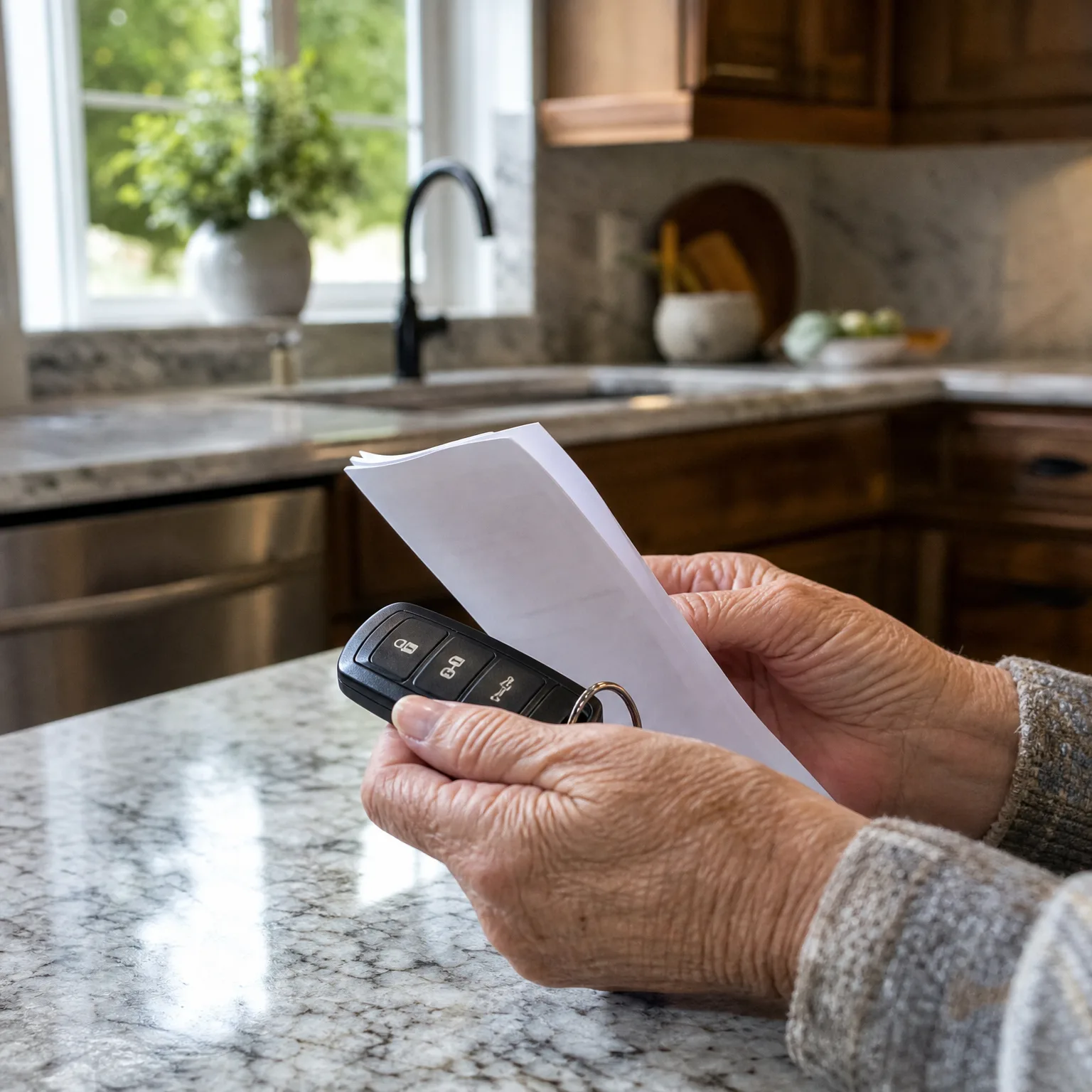
If you're helping a parent sort this out after a crash, this is the first document worth finding, because it tells you which insurer gets billed first.
Who was at fault, and whether that's settled yet
Iowa is an at-fault state, which means the driver who caused the crash is responsible for the damages, including medical bills. But fault often isn't settled right away, and Medicare won't wait indefinitely for that to happen.
When fault is unclear or contested, Medicare may make what's called a conditional payment on your medical bills, with the understanding that it gets reimbursed once a settlement or liability payment comes through. If you later receive a settlement from the at-fault driver's insurer, part of it will likely go toward repaying Medicare for what it already covered.
This is why it matters to tell Medicare about the accident and keep any settlement discussions separate from your Medicare coverage. An attorney or claims adjuster involved in the case can usually explain how the reimbursement works for your specific claim.
Questions people ask about this
Does Medicare cover an ambulance after a car accident in Iowa?
Medicare can cover ambulance transport if it meets Medicare's own rules for medical necessity, but your auto insurance may be billed first if you have medical payments or PIP coverage. Ask the ambulance provider which insurer they billed and confirm with your Medicare summary notice afterward.
Can Medicare take money from my car accident settlement?
Medicare can seek reimbursement from a settlement if it already paid medical bills related to the accident. This is handled through Medicare's recovery process, and your attorney or the settling insurer typically coordinates that repayment before you receive the remaining funds.
Do I need to report a car accident to Medicare?
Yes, if Medicare may end up paying any bills related to the accident, you or your representative should report it. This helps Medicare coordinate properly with your auto insurer and avoid billing errors that can delay your claim.
Will my Medicare Advantage plan handle a car accident differently than original Medicare?
It can, since Medicare Advantage plans are run by private insurers who set their own claims and coordination procedures within Medicare's rules. Call the number on your plan card and ask how they handle accident-related claims and coordination with auto insurance.
What happens if the at-fault driver has no insurance?
If the at-fault driver is uninsured or underinsured, your own uninsured motorist coverage, if you have it, may pay first, and Medicare could still be involved for any remaining medical costs. Check whether your policy includes uninsured motorist coverage, since Iowa does not require drivers to carry it.
See what your own auto policy would cover if you needed it tomorrow.
Find your auto insurance declarations page and check whether you carry medical payments coverage or PIP, and note the limits. If you're helping a parent, ask them to locate theirs or call their agent to request a copy this week. Keep a folder with the police report, any medical bills, and correspondence from Medicare if a claim is already underway. If fault is contested, ask the other driver's insurer for a claim number so your providers can bill correctly. When in doubt about who should be billed first, ask your own insurer directly rather than guessing. This keeps bills from going to Medicare prematurely and avoids repayment complications later.