Medicare and Car Accidents in Alabama
Medicare pays only after your car insurance does, and in Alabama your car insurance has to be billed first.
Medicare is not your primary coverage after a crash
If you're hurt in a car accident in Alabama, your auto insurance pays first, not Medicare. Alabama requires drivers to carry liability coverage, and depending on what you bought, your own policy may also have medical payments coverage or uninsured motorist coverage that applies before Medicare is billed at all.
Medicare only steps in as a backup, and usually only after the available car insurance has been used up or it's clear no car insurance will pay. This matters because it changes who you call first. Call your own insurer or the other driver's insurer before you think about Medicare.
Alabama is an at-fault state, and that decides who pays first
Alabama uses a fault-based system for car accidents. The driver who caused the crash is responsible for the damages, including medical bills, and their liability insurance is supposed to cover your injuries if you weren't at fault.
That means your first call after a crash is to file a claim against the at-fault driver's insurance, not to Medicare. If you have medical payments coverage or personal injury protection on your own policy, that can also pay before Medicare, regardless of who caused the accident.
Medicare becomes relevant mainly when the at-fault driver has no insurance, or not enough insurance to cover what you owe, or when there's a dispute that takes a long time to settle. In those cases, Medicare may pay your medical bills in the meantime, but it will expect to be paid back out of any settlement or judgment you eventually receive. This is called a Medicare set-aside or conditional payment, and your medical providers or a lawyer handling your claim can tell you if it applies.
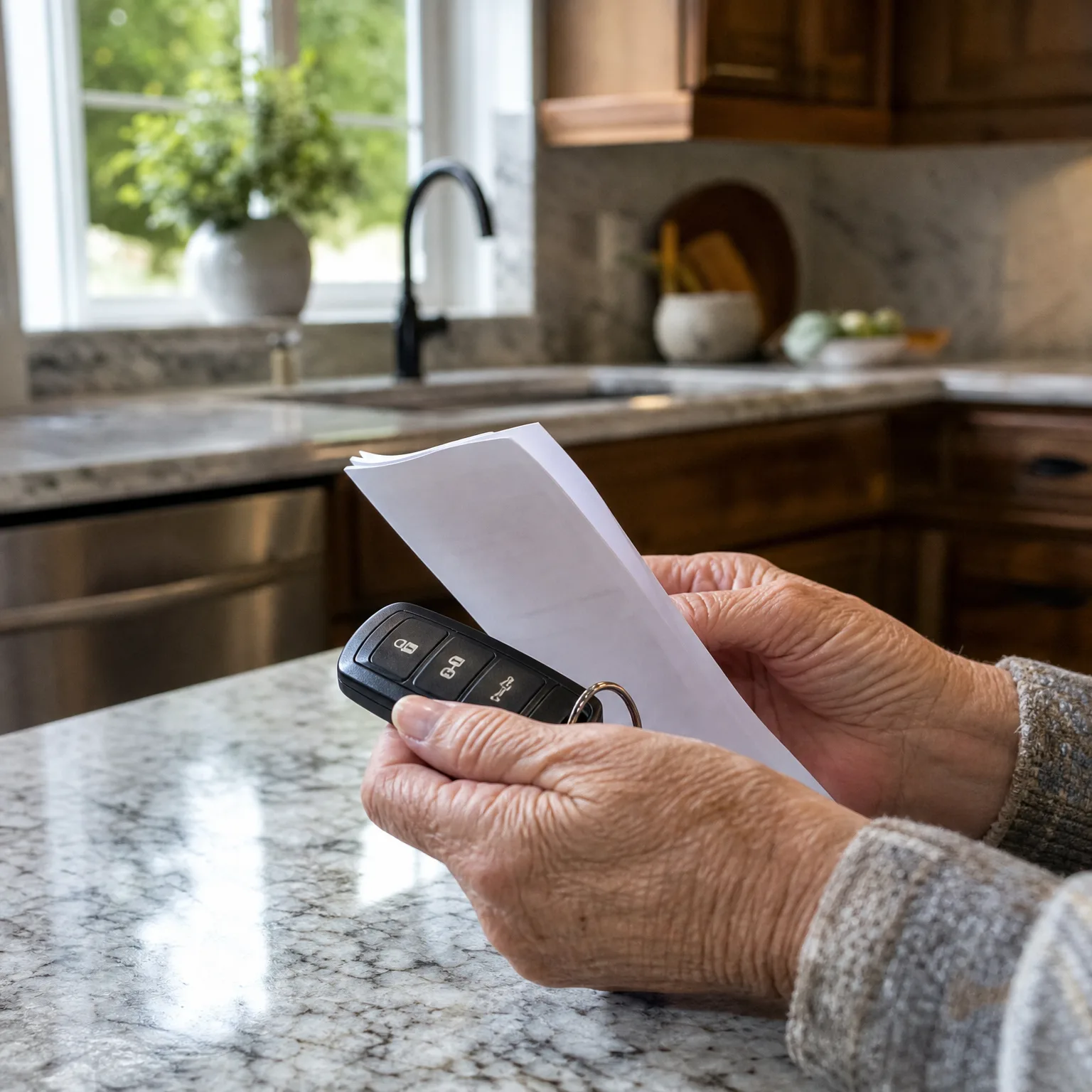
If you're not sure whether your own policy includes medical payments coverage, check your declarations page or call your agent and ask directly.
What people get wrong about Medicare and accident claims
A common mistake is assuming Medicare will simply cover the bill like it does for a regular doctor's visit. It won't, not as a first payer, when there's car insurance that should be billed instead.
Another mistake is not telling Medicare about the accident at all. If Medicare does end up paying any of your bills because the car insurance claim is still being worked out, Medicare has a right to be reimbursed once you receive a settlement. Not reporting the accident can create problems later, including delayed claims or demands for repayment you didn't expect.
It also helps to know that medical payments coverage and uninsured motorist coverage are not the same thing, and not every Alabama driver carries both. If you don't know what's on your policy, that's worth checking before anything happens, not after.
Questions people ask about this
Does Medicare cover car accident injuries at all in Alabama?
Yes, but typically only after car insurance has paid what it owes or it's clear no car insurance will pay. Medicare can act as a secondary payer in those situations. Your medical provider's billing office can usually tell you how a specific claim was handled.
What is Medicare set-aside and do I need one after a car accident?
A Medicare set-aside is money kept from an accident settlement to cover future medical care related to the injury, so Medicare isn't billed for it later. It typically comes up in larger settlements or when future treatment is expected. Ask the person handling your claim whether it applies to your situation.
Do I have to report a car accident to Medicare?
If Medicare pays any bills connected to the accident, yes, it needs to know so it can be reimbursed from any settlement. Your attorney or the insurer involved in the claim can usually handle this reporting for you. Check with them rather than assuming it's been done.
What's the difference between medical payments coverage and Medicare for a car accident?
Medical payments coverage is part of your car insurance and can pay medical bills right after a crash regardless of fault. Medicare is a federal health program that typically pays only after car insurance has been used or ruled out. Check your policy declarations to see if you carry medical payments coverage.
Who pays my medical bills if the other driver has no insurance?
In Alabama, this is usually where uninsured motorist coverage on your own policy comes in, if you have it. Without that coverage, you may need to rely on Medicare or your own health insurance while any legal claim against the other driver is pursued. Ask your insurer what uninsured motorist coverage you carry before you need it.
Before anything happens, it helps to know exactly what your own policy covers.
Pull out your current auto policy and check whether you have medical payments coverage or uninsured motorist coverage, and how much. If you're not sure, call your agent this week and ask them to walk through it with you. Keep your Medicare card and your insurance card together, since after any accident you'll likely need both. If you're ever in an accident, report it to your own insurer right away and let them coordinate with the other driver's insurer before Medicare is billed for anything. If Medicare has already paid bills related to a car accident, ask your medical provider's billing office or a lawyer whether a repayment claim is involved.