Is Wheelchair Equipment in My Car Covered
Adaptive equipment is covered under most auto policies, but only if you've told your insurer it's installed.
Yes, if your insurer knows about it
A wheelchair lift, ramp, hand controls or other adaptive equipment permanently installed in your car is generally treated as part of the vehicle, the same way a sunroof or a towing package would be. If the car is damaged or stolen, that equipment is covered under the same comprehensive and collision coverage as the rest of the vehicle.
The catch is that your insurer has to know it's there. Standard policies are written around the value of the car as it came from the factory. Equipment added after the fact, especially equipment that can cost as much as the car itself, needs to be declared so it's actually included in what you're covered for.
Whether you told your insurer about the equipment
When you buy a policy, the insurer bases your coverage and your premium on the vehicle's value as described. If you added a lift or hand controls afterward and never mentioned it, the insurer may not know the car is worth more than their records show.
This matters most at claim time. If the car is totaled or the equipment is damaged, the insurer pays out based on what they have on file. Equipment that was never declared may not be factored into that payout at all.
Call your insurer and ask them to add the equipment to your policy. Some will ask for a receipt or an appraisal showing what it cost to install. Once it's on the policy, it should be reflected in your coverage limits and in any payout.
This is worth doing even if the equipment was installed by the vehicle's manufacturer rather than added later, since some insurers still treat it as separate from the base vehicle value.

How your state and insurer define the vehicle's value
Some insurers have a standard way of handling adaptive equipment, treating it as part of the vehicle's actual cash value without much extra paperwork. Others require it to be listed as a separate line item, closer to how an insurer might handle a custom paint job or aftermarket wheels.
This is set by the insurer's own policies, not by a single rule that applies everywhere. Ask directly whether adaptive equipment is included automatically or whether it needs to be scheduled separately.
If you're shopping for a new policy, ask this question before you buy rather than after. An insurer that handles this well, with a straightforward process for declaring equipment and no surprise exclusions, is worth knowing about before you need to file a claim, not after.
Questions people ask about this
Does adding a wheelchair lift raise my insurance premium?
It can, because the car is now worth more to insure. The increase depends on the value of the equipment and how your insurer treats it. Ask for a quote with the equipment declared so you know the actual difference rather than guessing.
What happens if my car is totaled with adaptive equipment installed?
The payout should reflect the value of the equipment if it was declared on your policy. If it wasn't declared, the insurer may only pay out based on the vehicle's value without it. This is why checking your policy documents before anything happens matters.
Do I need an appraisal for wheelchair equipment to be covered?
Some insurers ask for one, especially for expensive installations like power lifts or full hand control systems. A receipt from the installer is sometimes enough. Ask your insurer directly what they need before you assume either way.
Is a portable wheelchair ramp covered the same way as a permanent one?
Not always. A ramp that's bolted in or built into the vehicle is usually treated as part of the car. A portable ramp that's stored in the trunk may be treated as personal property instead, which can fall under different coverage or limits.
Can I get coverage for adaptive equipment if I lease the car?
This depends on the terms of your lease and your insurer's policy, since the equipment may belong to you even though the car doesn't. Check with both the leasing company and your insurer about how the equipment is handled separately from the vehicle.
See which insurers make it easy to cover equipment like this before you need to file a claim.
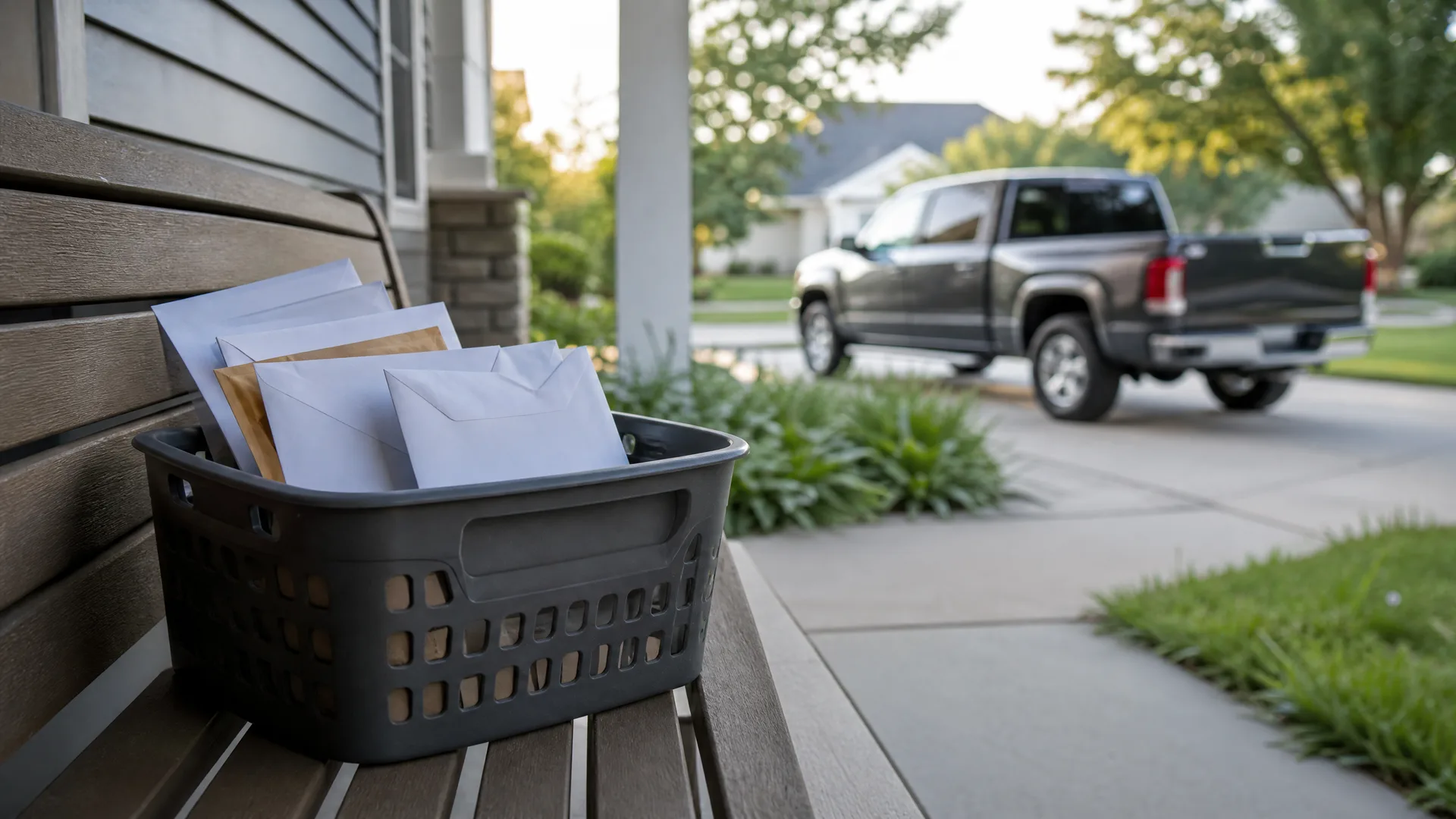
Find the paperwork from when the equipment was installed, including any receipt or invoice showing the cost. Call your current insurer and ask whether the equipment is already listed on your policy, and if not, ask what they need to add it. If you're comparing new policies, ask each insurer the same question before you commit, since the process varies by company. Keep a copy of whatever documentation you send them, and ask for written confirmation once the equipment is added.