Does MedPay Follow the Vehicle
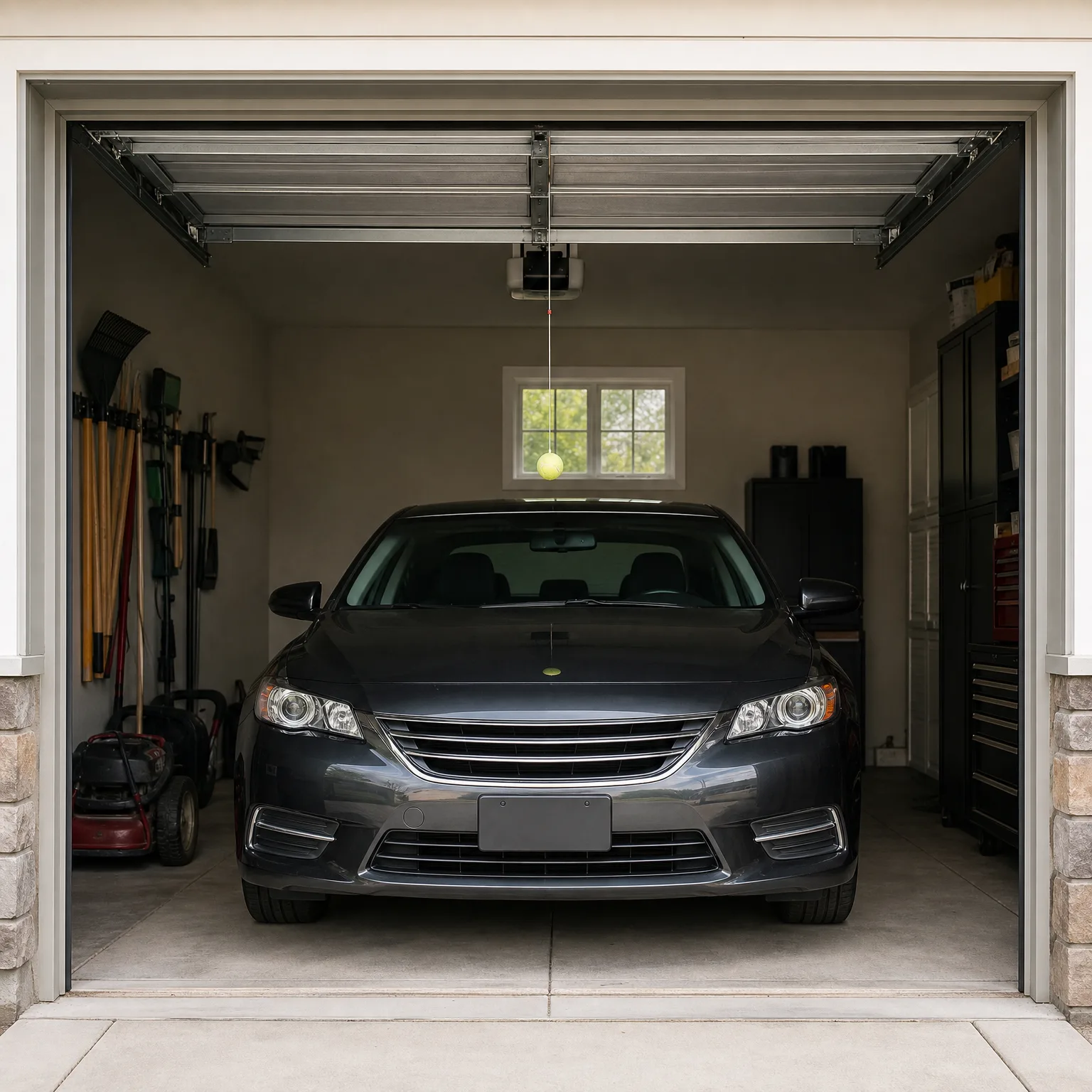
MedPay follows the vehicle named on the policy, so it covers people riding in or driving that car, not the policyholder wherever they go.
It stays with the car, not the person
MedPay is attached to the vehicle on your policy. If you're driving that car when you're hurt, your MedPay applies. If someone else is driving it with your permission, it applies to them too, because the coverage travels with the car itself.
The reverse is also true. If you're a passenger in someone else's car, or driving a car you don't own, your own MedPay usually doesn't come with you. The coverage on that other vehicle, if it has any, is what applies first.
What matters is whose car you're in
If you drive your own car and get in an accident, your MedPay pays your medical bills regardless of who caused it. That part is straightforward.
If you lend your car to your spouse, your adult child, or a friend, your MedPay still applies to them while they're driving it, because the policy follows the vehicle. This is worth knowing if you regularly let someone else use your car.
If you're riding in someone else's car, whether as a passenger or borrowing it to drive yourself, you're relying on that vehicle's MedPay, not your own. If that car has no MedPay or a low amount, your own policy generally won't step in to cover the gap.
If you're hit as a pedestrian or on a bicycle, some policies still treat you as covered under your own auto MedPay. This varies by insurer, so it's worth asking your agent directly rather than assuming either way.
Having more than one car changes things
If you own more than one vehicle and insure them on the same policy, each car typically carries its own MedPay coverage. Check whether your policy stacks that coverage across vehicles or keeps it separate per car, since insurers handle this differently.
If you own a car outright but someone else is listed as the primary driver, like an adult child living elsewhere, the MedPay on that car still applies to whoever is driving it, not to you as the owner.
A common mix-up is assuming MedPay works like health insurance, moving with the person. It doesn't. If you're unsure which vehicle's coverage would apply in a specific situation, your insurer or agent can walk through it based on your actual policy.
Questions people ask about this
Does MedPay cover me if I'm hit by a car while walking?
Some auto policies extend MedPay to the policyholder even when they're a pedestrian, but this depends on the insurer and how the policy is written. Ask your agent whether your specific policy includes this, since it isn't universal.
Can I use MedPay from two different cars for the same accident?
Generally no, only one vehicle's MedPay applies to a given accident, based on which car was involved. If you have questions about a specific accident, your insurer can explain which policy responds.
Does MedPay cover passengers in my car who aren't family?
Yes, MedPay typically covers anyone riding in the insured vehicle at the time of the accident, regardless of their relationship to you. This is one of the reasons it's tied to the car rather than to individual people.
What happens if the car I borrowed has no MedPay coverage?
If the vehicle you were driving doesn't carry MedPay, your own policy on your own car generally won't cover you in that other vehicle. Check with your insurer about whether any other part of your policy might apply in that situation.
Should I drop MedPay if I rarely drive my own car?
That depends on how often you ride in or drive other vehicles, and what coverage those vehicles carry. Talk to your agent about your specific driving habits before deciding, since the right answer varies by situation.
If you're comparing policies, it helps to know exactly how MedPay is set up on each one.

Pull out your current policy and find the MedPay section, then check which vehicles it lists and the amount attached to each. If you regularly lend your car or borrow one from family, call your agent and ask directly how MedPay would apply in that situation. Ask specifically whether your policy extends any coverage to you as a pedestrian, since this varies. If you're shopping for a new policy, ask each insurer the same questions so you can compare the actual coverage, not just the price. Keep a note of what each agent tells you, since these details can be easy to forget by the time you're ready to decide.