Car Insurance Discounts for Disabled Drivers
Insurers don't usually have a discount called a disability discount, but adaptive equipment, low mileage, and safe driver history can all lower your premium if you ask the right way.
There's no single disability discount, but there are several paths to one
No major insurer sells a product labeled a disability discount. What exists instead is a set of discounts that a disabled driver is often positioned to qualify for. Adaptive equipment in the car, a garaged vehicle driven fewer miles, a clean driving record built over years, and in some states a government-run program for drivers with disabilities can each lower what you pay.
Which of these apply to you depends on your insurer, your state, and your own situation. The only way to know for certain is to ask your insurer directly what they offer and what they need from you to apply it.
Your state may run its own program
Some states require insurers to offer a reduced rate to drivers with disabilities, often tied to a vehicle that's been modified for hand controls, a wheelchair lift, or similar equipment. Other states have no such requirement at all, and the discount simply doesn't exist there.
If your car has been adapted in any way, tell your insurer specifically what was installed. Insurers sometimes treat adaptive equipment as added safety or security features rather than as a disability discount by name, and the premium reduction can come from that angle instead.
Your state's department of insurance can tell you whether a disability-specific program exists and what it requires. That's a better source than guessing based on what you've heard from a friend in another state.
If no such program exists where you live, the other discounts below still apply to you the same as any driver.

Your driving pattern and record still carry the most weight
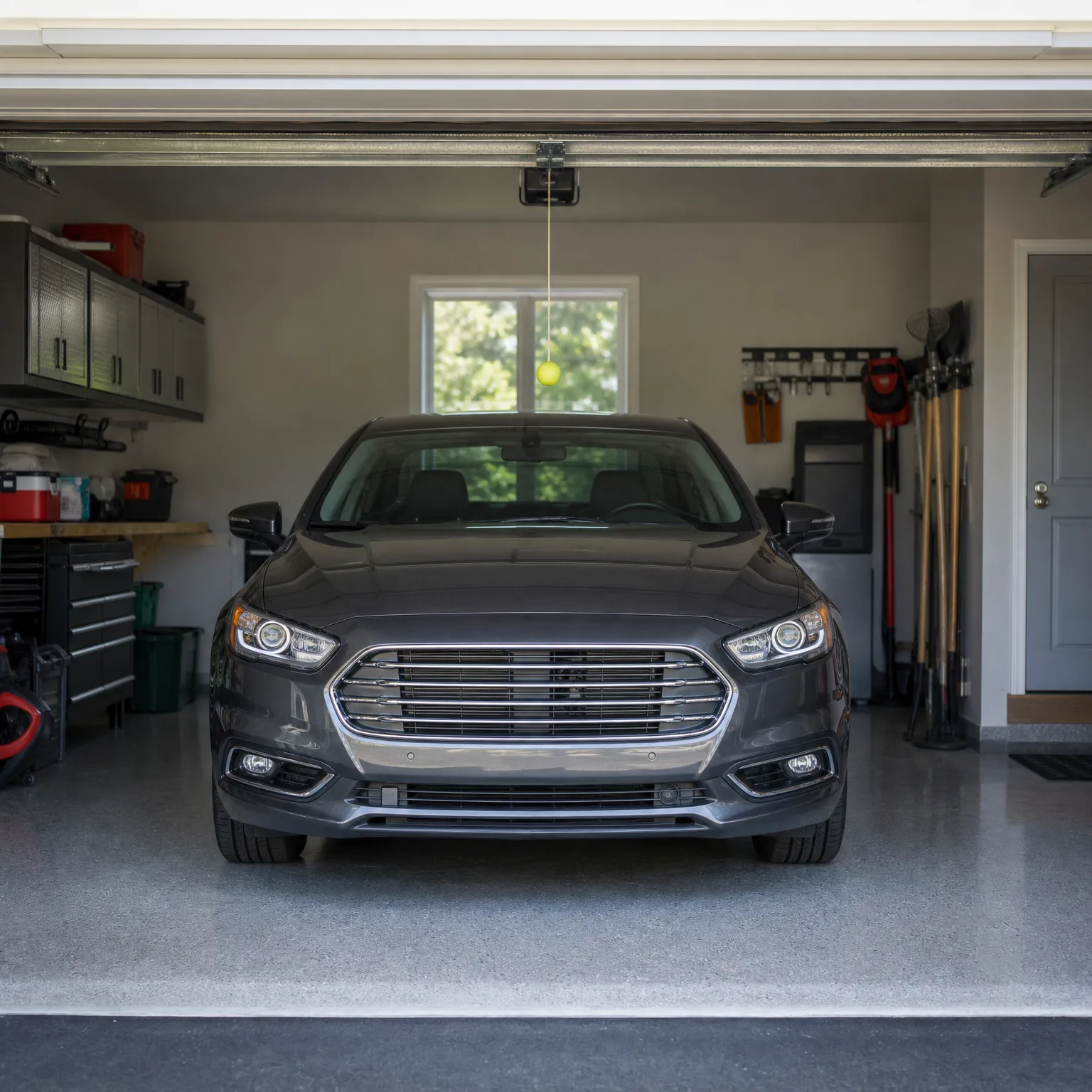
Insurers set rates mainly on risk, and the factors that reduce risk apply to every driver regardless of disability. If you drive fewer miles than average, ask about a low mileage discount. If your car sits in a garage rather than on the street, that can matter too.
A long clean driving record is often the single biggest discount available to any driver, disabled or not. If you've held a license and stayed free of accidents and violations for years, make sure your insurer has that history on file, especially if you've switched companies recently.
Some insurers offer a discount for completing a defensive driving or refresher course. If you've taken one, you usually have to send the insurer the certificate yourself. Finishing the course doesn't change your rate until they have that paperwork.
Ask your insurer to list every discount they offer, not just the ones related to disability. Many drivers qualify for two or three they never knew to ask about.
Questions people ask about this
Do I need to tell my insurer about a disability?
You need to tell them about anything that changes how the car is driven or equipped, such as hand controls or a lift. You generally don't need to disclose a medical condition itself unless it affects your ability to drive safely, and that's a conversation to have directly with your insurer or the licensing agency in your state.
Will adaptive equipment in my car raise or lower my premium?
It can go either way depending on the insurer and the equipment. Some insurers see adaptive equipment as added vehicle value and charge more to insure it, while others offer a discount for the added safety it provides. Ask your insurer how they treat it before you assume either direction.
Can I get a discount for a vehicle modified for a wheelchair?
Some insurers and some state programs do offer a reduction for this, but it isn't universal. Tell your insurer exactly what modifications were made and ask them directly whether it qualifies for anything, since this is handled differently from one company to the next.
Does a disability affect my ability to renew my license?
That depends entirely on your state's licensing agency, not your insurer. Some states require a vision test, a medical form, or a road test at renewal or at certain ages, and the rules vary. Your state DMV or licensing agency can tell you what applies to you.
Should I switch insurers to get a disability discount?
Only if another insurer actually offers something yours doesn't. Before you switch, ask your current insurer directly what discounts they have for your situation, since you may already qualify for something you haven't been told about. Compare what each insurer actually offers rather than assuming a new company will automatically be cheaper.
See which insurers offer the discounts that actually apply to your situation.
Call your current insurer this week and ask them directly what discounts exist for your situation, including anything related to adaptive equipment, low mileage, or driving courses. Have your driving record and any equipment details ready to describe. If your car has been modified, ask specifically whether that qualifies for a reduction rather than waiting for them to mention it. Check with your state's department of insurance to see if a state-run disability discount program exists where you live. Then compare what your current insurer offers against a couple of other quotes to see whether you're actually getting the best price for your situation.